Ace 55
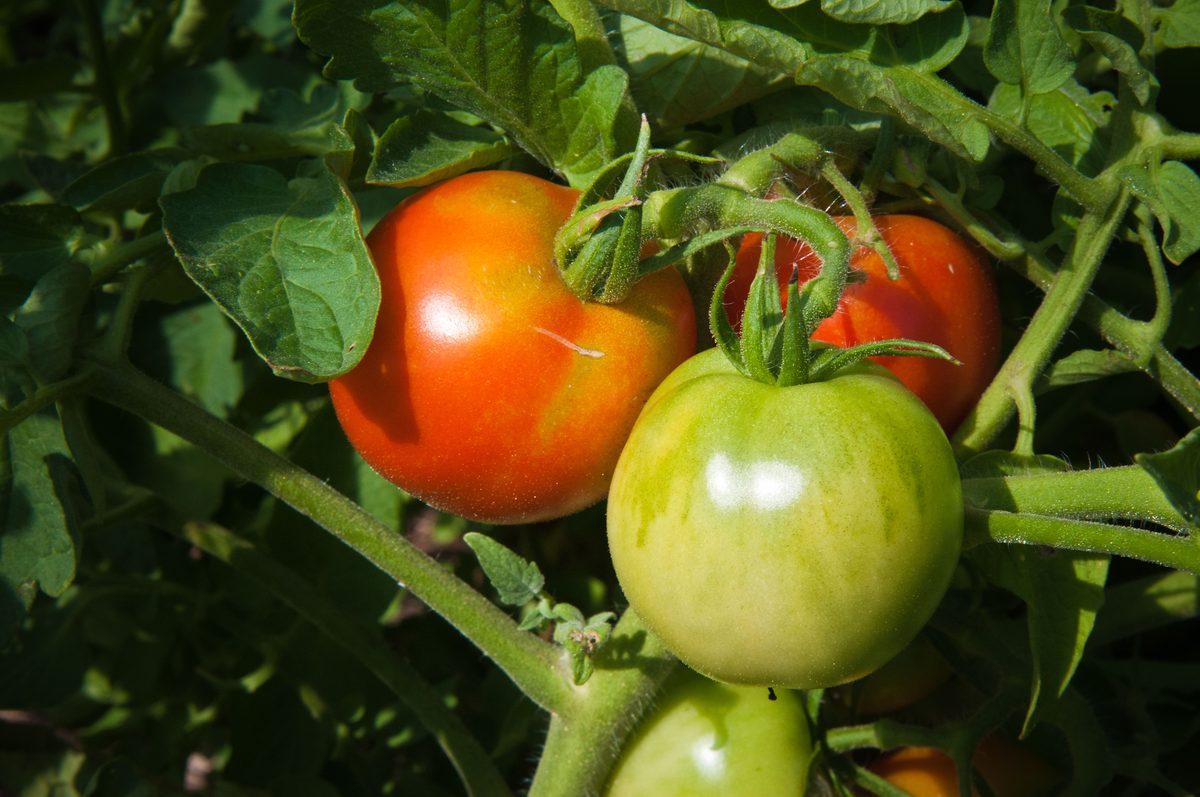
Ace 55 is a hybrid tomato variety (Solanum lycopersicum 'Ace 55'). Harvest begins around day 80-85; seed germinates in 7-10 days. Set plants 24-30 inches apart. Grow in soil pH 6.0-7.0, zones 10-11, full sun (6+ hours). Plants reach 1-10 feet. It will crop in a container. Hybrid seed does not come true, so it has to be bought fresh each season rather than saved.
Sowing
Start indoors 6-8 weeks before last frost. Transplant when soil temperature reaches 60°F and night temperatures stay above 50°F.
Cultivation
- Sun
- Full sun (6+ hours)
- Water
- High — consistent moisture needed
- Soil
- Well-drained loam, tolerates various soil types
- Soil pH
- 6.0-7.0
- Spacing
- 24-30 inches
- Height
- 1-10 feet
- Season
- Year Round
Appearance & flavour
- Colour
- Deep red
- Size
- 6-8 oz
- Shape
- Classic round, smooth globe
- Flavour
- Well-balanced, traditional tomato flavor with good acidity
In the kitchen
Excellent for slicing, sandwiches, salads, and canning. All-purpose variety.
Pests, disease & resistance
- Pests
- Tomato hornworm, aphids, cutworms, spider mites
- Diseases
- Late blight, bacterial spot, blossom end rot
- Resistance
- Good resistance to fusarium wilt and alternaria stem canker. Heat and humidity tolerant.
Planting calendar by USDA zone
| Zone | Start indoors | Transplant | Direct sow | Harvest |
|---|---|---|---|---|
| 2 | April – May | June – July | — | September |
| 3 | April | June – July | — | September – October |
| 4 | March – April | June | — | September – October |
| 5 | March | May – June | — | August – October |
| 6 | March | May – June | — | August – October |
| 7 | February – March | April – May | — | July – September |
| 8 | February | April – May | — | July – September |
| 9 | January | March – April | — | June – August |
| 10 | January | February – March | — | May – July |
| 11 | January | January – February | — | April – June |
| 12 | January | January – February | — | April – June |
| 13 | January | January – February | — | April – June |
Companion planting
8 beneficial pairings indexed for this variety, 4 to avoid.
Avoid
Nutrition (per 100 g)
- Calories (per 100 g)
- 27
- Protein (g)
- 0.83
- Fat (g)
- 0.63
- Carbohydrate (g)
- 5.51
- Fibre (g)
- 2.1
- Vitamin C (mg)
- 27.2
- Vitamin E (mg)
- 0.98
- Vitamin K (µg)
- 4.2
- Vitamin B6 (mg)
- 0.06
- Folate (µg)
- 10
- Calcium (mg)
- 11
- Iron (mg)
- 0.33
- Magnesium (mg)
- 11.9
- Phosphorus (mg)
- 28
- Potassium (mg)
- 260
- Zinc (mg)
- 0.2
Where to buy seed and equipment
Some links are affiliate links. If you buy through them we may earn a commission at no extra cost to you.
Cultivar facts compiled from public horticultural references including USDA GRIN and NC State Extension. Descriptions are original to this catalogue.
Grown Ace 55?
Post a crop report — day counts, reservoir readings, what worked. Variety-specific logs are the most useful thing on the forum.
Similar varieties
Other tomatoes with a comparable time to harvest, so a season that suits Ace 55 suits these too.
- Costoluto Genovese 80 days
- Wisconsin 55 80 days
- Mortgage Lifter 80 days
- Arkansas Traveler 80 days
- German Red Strawberry 80 days
- Homestead 24 80 days