Beefsteak
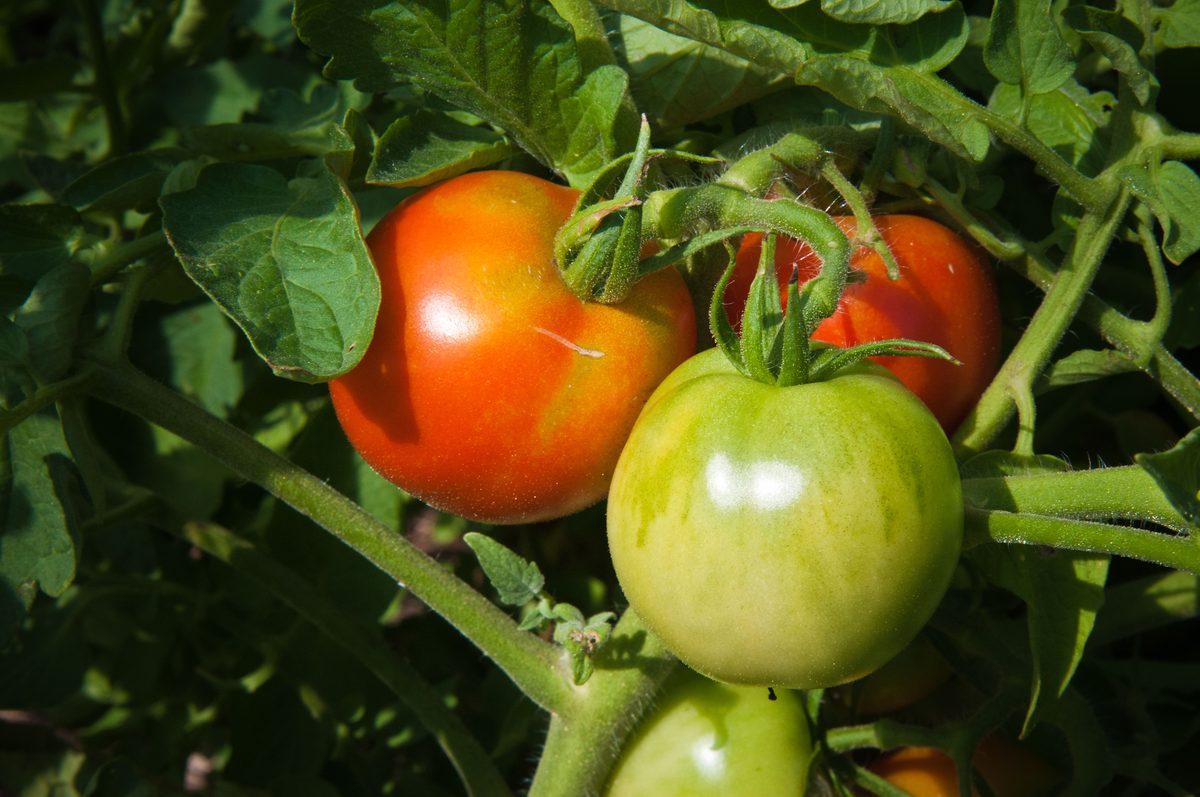
Beefsteak is a heirloom tomato. Germination takes 7-14 days and fruit ripens from about day 85-90. Skin runs to classic red. Water need is high — consistent moisture needed. Suits zones 10-11.
Sowing
Start indoors 6-8 weeks before last frost. Transplant when soil reaches 65°F and nighttime temps stay above 55°F.
Cultivation
- Sun
- Full sun (6+ hours)
- Water
- High — consistent moisture needed
- Soil
- Rich, well-drained loam with high organic matter
- Soil pH
- 6.0-6.8
- Spacing
- 36-48 inches
- Height
- 1-10 feet
- Season
- Year Round
Appearance & flavour
- Colour
- Classic red
- Size
- 1-2+ pounds
- Shape
- Large, round to slightly flattened, ribbed
- Flavour
- Mild, sweet, and balanced with low acidity
In the kitchen
Premium slicing for sandwiches, burgers, fresh eating. Excellent stuffed. Too large for most canning.
Pests, disease & resistance
- Pests
- Tomato hornworm, aphids, spider mites, cutworms
- Diseases
- Blossom end rot, cracking, late blight, fusarium wilt
- Resistance
- Limited resistance; requires good garden hygiene and air circulation
Planting calendar by USDA zone
| Zone | Start indoors | Transplant | Direct sow | Harvest |
|---|---|---|---|---|
| 2 | April – May | June – July | — | September |
| 3 | April | June – July | — | September – October |
| 4 | March – April | June | — | September – October |
| 5 | March | May – June | — | August – October |
| 6 | March | May – June | — | August – October |
| 7 | February – March | April – May | — | July – September |
| 8 | February | April – May | — | July – September |
| 9 | January | March – April | — | June – August |
| 10 | January | February – March | — | May – July |
| 11 | January | January – February | — | April – June |
| 12 | January | January – February | — | April – June |
| 13 | January | January – February | — | April – June |
Companion planting
8 beneficial pairings indexed for this variety, 4 to avoid.
Avoid
Nutrition (per 100 g)
- Calories (per 100 g)
- 27
- Protein (g)
- 0.83
- Fat (g)
- 0.63
- Carbohydrate (g)
- 5.51
- Fibre (g)
- 2.1
- Vitamin C (mg)
- 27.2
- Vitamin E (mg)
- 0.98
- Vitamin K (µg)
- 4.2
- Vitamin B6 (mg)
- 0.06
- Folate (µg)
- 10
- Calcium (mg)
- 11
- Iron (mg)
- 0.33
- Magnesium (mg)
- 11.9
- Phosphorus (mg)
- 28
- Potassium (mg)
- 260
- Zinc (mg)
- 0.2
Where to buy seed and equipment
Some links are affiliate links. If you buy through them we may earn a commission at no extra cost to you.
Cultivar facts compiled from public horticultural references including USDA GRIN and NC State Extension. Descriptions are original to this catalogue.
Grown Beefsteak?
Post a crop report — day counts, reservoir readings, what worked. Variety-specific logs are the most useful thing on the forum.
Similar varieties
Other tomatoes with a comparable time to harvest, so a season that suits Beefsteak suits these too.
- German Pink 85 days
- Yellow Brandywine 85 days
- Hillbilly 85 days
- Kellogg's Breakfast 85 days
- Oxheart 85 days
- Mortgage Lifter Pink 85 days