Chervil
Chervil: 26-30 days to harvest, 7-14 days to germinate, 8-10 inches between plants, hardy in zones 1-11. Give it full sun to partial shade (4-6+ hours) and regular, consistent moisture without waterlogging water.
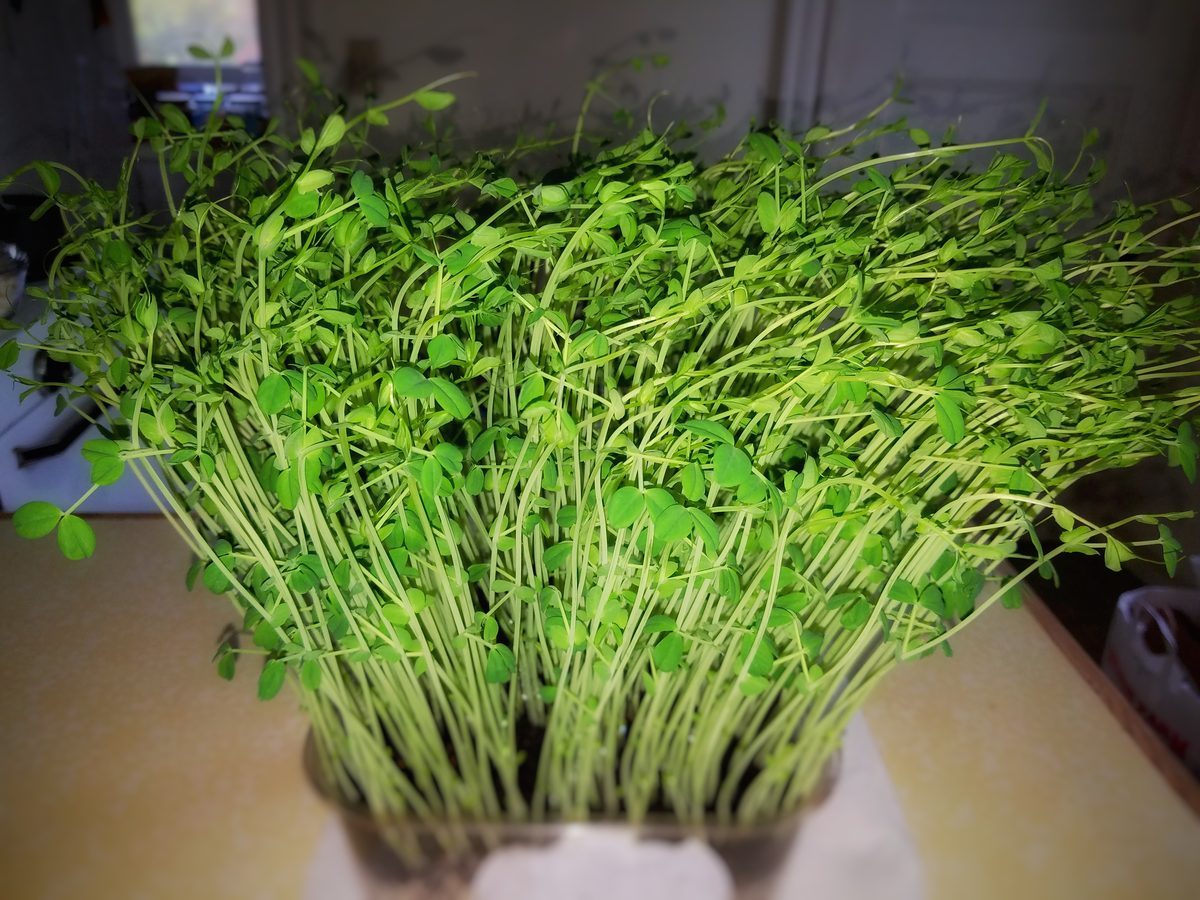
Sowing
Direct sow in early spring or late summer, press lightly into moist soil, avoid transplanting
Cultivation
- Sun
- Full sun to partial shade (4-6+ hours)
- Water
- Regular, consistent moisture without waterlogging
- Soil
- Well-draining potting mix or garden soil amended with compost
- Spacing
- 8-10 inches
- Height
- 12-24 inches
- Season
- Warm season annual
Appearance & flavour
- Colour
- Light green
- Shape
- Feathery, delicate, finely divided leaves
- Flavour
- Delicate, subtle anise-like flavor with mild parsley notes and refined complexity
In the kitchen
French omelettes, béarnaise sauce, fines herbes blends, egg dishes, fish, poultry, potato preparations, light soups, fine dining garnish
Pests, disease & resistance
- Pests
- Minimal pest pressure; occasionally affected by aphids under stress
- Diseases
- Rare in well-managed plants; powdery mildew possible in humid conditions with poor air circulation
Planting calendar by USDA zone
| Zone | Start indoors | Transplant | Direct sow | Harvest |
|---|---|---|---|---|
| 1 | January – December | — | — | January – December |
| 2 | January – December | — | — | January – December |
| 3 | January – December | — | — | January – December |
| 4 | January – December | — | — | January – December |
| 5 | January – December | — | — | January – December |
| 6 | January – December | — | — | January – December |
| 7 | January – December | — | — | January – December |
| 8 | January – December | — | — | January – December |
| 9 | January – December | — | — | January – December |
| 10 | January – December | — | — | January – December |
| 11 | January – December | — | — | January – December |
| 12 | January – December | — | — | January – December |
| 13 | January – December | — | — | January – December |
Companion planting
8 beneficial pairings indexed for this variety, 3 to avoid.
Avoid
Nutrition (per 100 g)
- Calories (per 100 g)
- 237
- Protein (g)
- 23.2
- Fat (g)
- 3.9
- Carbohydrate (g)
- 49.1
- Fibre (g)
- 11.3
- Vitamin A (µg)
- 293
- Vitamin C (mg)
- 50
- Vitamin B6 (mg)
- 0.93
- Folate (µg)
- 274
- Calcium (mg)
- 1350
- Iron (mg)
- 32
- Magnesium (mg)
- 130
- Phosphorus (mg)
- 450
- Potassium (mg)
- 4740
- Zinc (mg)
- 8.8
- Selenium (µg)
- 29.3
Where to buy seed and equipment
Some links are affiliate links. If you buy through them we may earn a commission at no extra cost to you.
Cultivar facts compiled from public horticultural references including USDA GRIN and NC State Extension. Descriptions are original to this catalogue.
Grown Chervil?
Post a crop report — day counts, reservoir readings, what worked. Variety-specific logs are the most useful thing on the forum.
Similar varieties
Other microgreens with a comparable time to harvest, so a season that suits Chervil suits these too.
- Sorrel, Red Veined 26 days
- Spinach Microgreens 25 days
- Radish Microgreens 30 days
- Carrot Microgreens 16 days
- Dill Microgreens 16 days
- Amaranth, Glitter Mix 16 days