De Milpa
De Milpa: 70 days to harvest, 7-14 days to germinate, 24-30 inches between plants, hardy in zones 1-11. Give it full sun (6+ hours) and regular; 1-1.5 inches per week, more frequent during fruiting and in containers water.
Sowing
Start indoors 6-8 weeks before last frost, transplant outdoors after nighttime lows consistently exceed 55°F
Cultivation
- Sun
- Full sun (6+ hours)
- Water
- Regular; 1-1.5 inches per week, more frequent during fruiting and in containers
- Soil
- Well-drained soil, slightly acidic to neutral pH (6.0-7.0), enriched with compost or aged manure
- Spacing
- 24-30 inches
- Height
- 3-4 feet
- Season
- Warm season annual
Appearance & flavour
- Colour
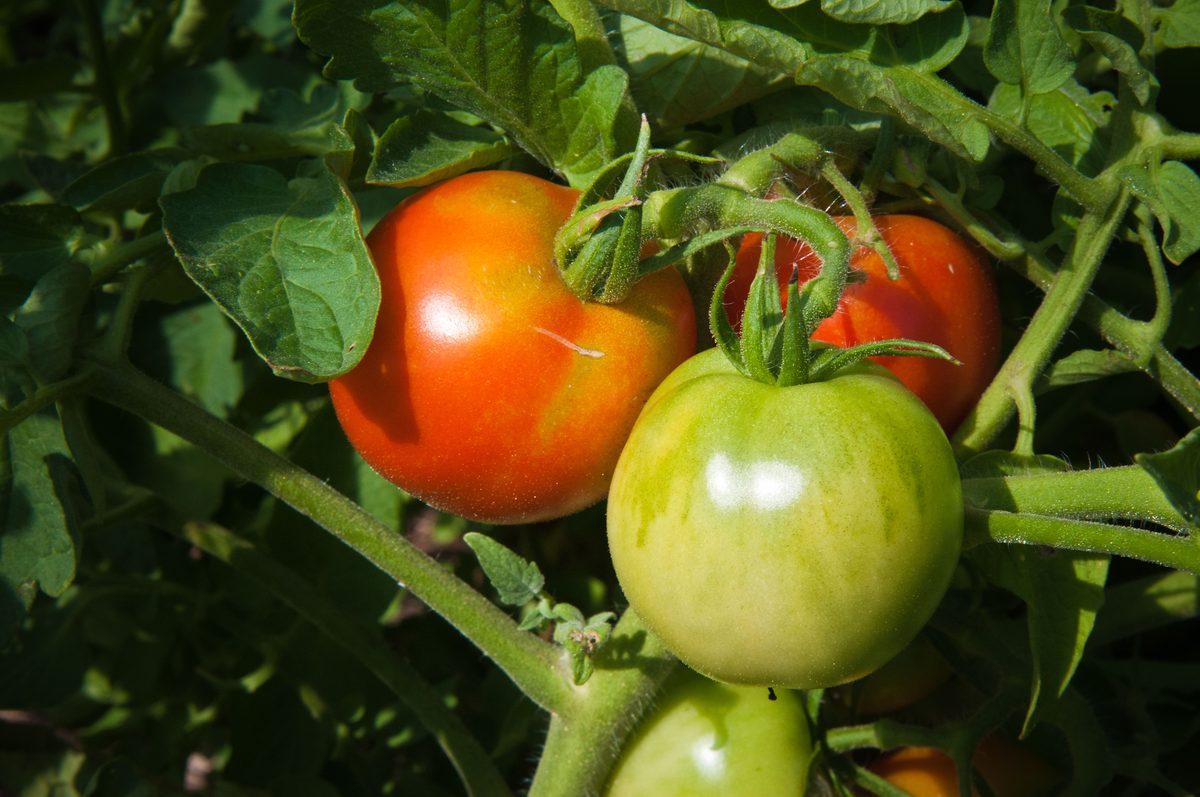
- Green with purple blush after harvest
- Shape
- Small to medium round
- Flavour
- Balanced tart-citrus with subtle sweetness, concentrated flavor from high dry matter content, ideal for fresh salsa
In the kitchen
Fresh salsa, salsa verde, roasted tomatillo dishes, fermenting, freezing for cooked applications
Pests, disease & resistance
- Pests
- Hornworms, flea beetles, whiteflies (in warm climates)
- Diseases
- Early blight, septoria leaf spot (in humid conditions), fusarium wilt (rare in well-drained soil)
Planting calendar by USDA zone
| Zone | Start indoors | Transplant | Direct sow | Harvest |
|---|---|---|---|---|
| 1 | May | July – August | — | September – August |
| 2 | April – May | June – July | — | September |
| 3 | April | June – July | — | August – October |
| 4 | March – April | June | — | August – October |
| 5 | March | May – June | — | August – October |
| 6 | March | May – June | — | July – September |
| 7 | February – March | April – May | — | July – September |
| 8 | February | April – May | — | June – August |
| 9 | January | March – April | — | May – July |
| 10 | January | February – March | — | May – July |
| 11 | January | January – February | — | April – June |
| 12 | January | January – February | — | April – June |
| 13 | January | January – February | — | April – June |
Companion planting
8 beneficial pairings indexed for this variety, 4 to avoid.
Avoid
Nutrition (per 100 g)
- Calories (per 100 g)
- 27
- Protein (g)
- 0.83
- Fat (g)
- 0.63
- Carbohydrate (g)
- 5.51
- Fibre (g)
- 2.1
- Vitamin C (mg)
- 27.2
- Vitamin E (mg)
- 0.98
- Vitamin K (µg)
- 4.2
- Vitamin B6 (mg)
- 0.06
- Folate (µg)
- 10
- Calcium (mg)
- 11
- Iron (mg)
- 0.33
- Magnesium (mg)
- 11.9
- Phosphorus (mg)
- 28
- Potassium (mg)
- 260
- Zinc (mg)
- 0.2
Where to buy seed and equipment
Some links are affiliate links. If you buy through them we may earn a commission at no extra cost to you.
Cultivar facts compiled from public horticultural references including USDA GRIN and NC State Extension. Descriptions are original to this catalogue.
Grown De Milpa?
Post a crop report — day counts, reservoir readings, what worked. Variety-specific logs are the most useful thing on the forum.
Similar varieties
Other tomatoes with a comparable time to harvest, so a season that suits De Milpa suits these too.
- Determinate Patio 70 days
- Container Choice Red 70 days
- Big Beef 70 days
- Campari 70 days
- Better Boy 70 days
- Ace 56 70 days