Fourth of July
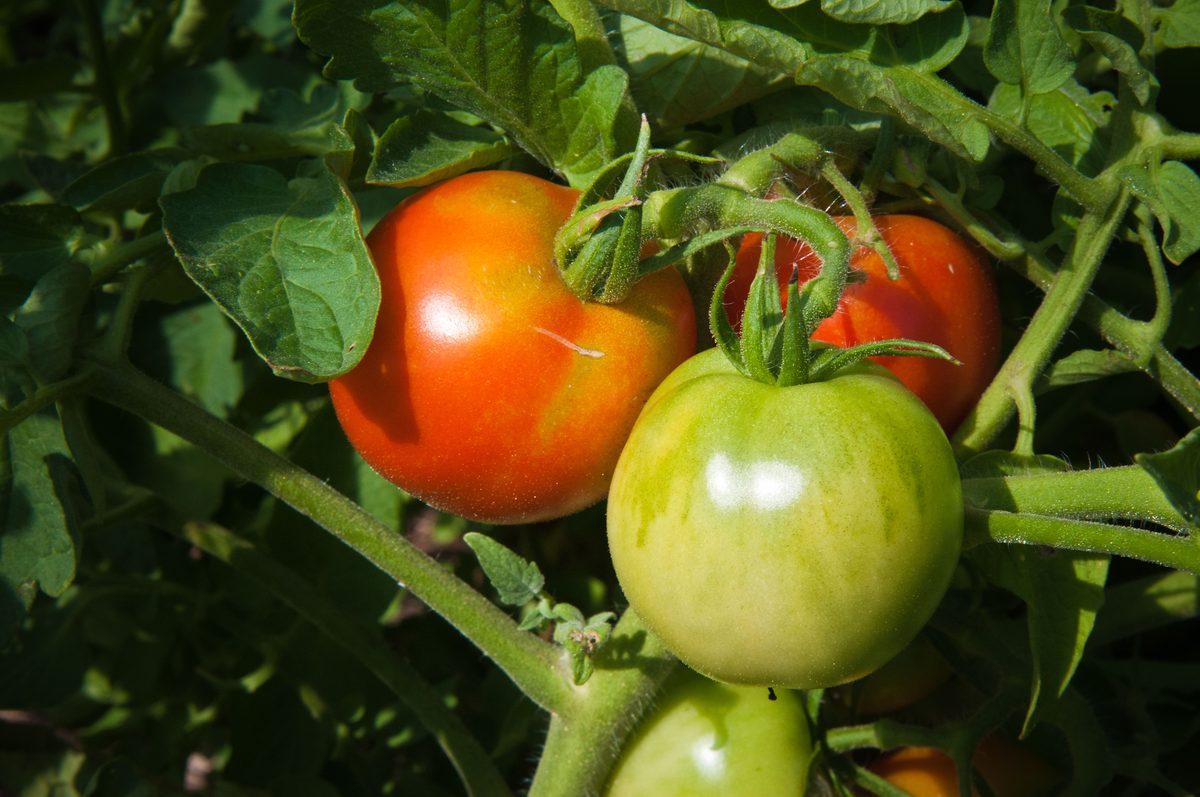
Fourth of July is a round to slightly flattened globe tomato with fruit around 4-6 oz. Ready from roughly day 49-55. Germination takes 7-10 days. Space 18-24 inches apart at pH 6.0-7.0. Full sun (6+ hours). It will crop in a container. This one is a hybrid: buy seed each season instead of saving it.
Sowing
Start indoors 6-8 weeks before last frost date. Can be direct seeded in very warm climates. Transplant when soil reaches 60°F.
Cultivation
- Sun
- Full sun (6+ hours)
- Water
- High — consistent moisture needed
- Soil
- Well-drained fertile soil with good organic content
- Soil pH
- 6.0-7.0
- Spacing
- 18-24 inches
- Height
- 1-10 feet
- Season
- Year Round
Appearance & flavour
- Colour
- Bright red
- Size
- 4-6 oz
- Shape
- Round to slightly flattened globe
- Flavour
- Good balanced tomato flavor with nice acidity, surprisingly full flavor for such an early variety
In the kitchen
Fresh slicing, early season BLTs, salads, sandwiches. Perfect for satisfying early tomato cravings.
Pests, disease & resistance
- Pests
- Aphids, flea beetles, cutworms, tomato hornworm
- Diseases
- Early blight, late blight, bacterial speck, blossom end rot
- Resistance
- Good resistance to verticillium wilt and fusarium wilt
Planting calendar by USDA zone
| Zone | Start indoors | Transplant | Direct sow | Harvest |
|---|---|---|---|---|
| 1 | May | July – August | — | September – August |
| 2 | April – May | June – July | — | August – September |
| 3 | April | June – July | — | August – October |
| 4 | March – April | June | — | August – October |
| 5 | March | May – June | — | July – September |
| 6 | March | May – June | — | July – September |
| 7 | February – March | April – May | — | June – August |
| 8 | February | April – May | — | June – August |
| 9 | January | March – April | — | May – July |
| 10 | January | February – March | — | April – June |
| 11 | January | January – February | — | March – May |
| 12 | January | January – February | — | March – May |
| 13 | January | January – February | — | March – May |
Companion planting
8 beneficial pairings indexed for this variety, 4 to avoid.
Avoid
Nutrition (per 100 g)
- Calories (per 100 g)
- 27
- Protein (g)
- 0.83
- Fat (g)
- 0.63
- Carbohydrate (g)
- 5.51
- Fibre (g)
- 2.1
- Vitamin C (mg)
- 27.2
- Vitamin E (mg)
- 0.98
- Vitamin K (µg)
- 4.2
- Vitamin B6 (mg)
- 0.06
- Folate (µg)
- 10
- Calcium (mg)
- 11
- Iron (mg)
- 0.33
- Magnesium (mg)
- 11.9
- Phosphorus (mg)
- 28
- Potassium (mg)
- 260
- Zinc (mg)
- 0.2
Where to buy seed and equipment
Some links are affiliate links. If you buy through them we may earn a commission at no extra cost to you.
Cultivar facts compiled from public horticultural references including USDA GRIN and NC State Extension. Descriptions are original to this catalogue.
Grown Fourth of July?
Post a crop report — day counts, reservoir readings, what worked. Variety-specific logs are the most useful thing on the forum.