German Johnson
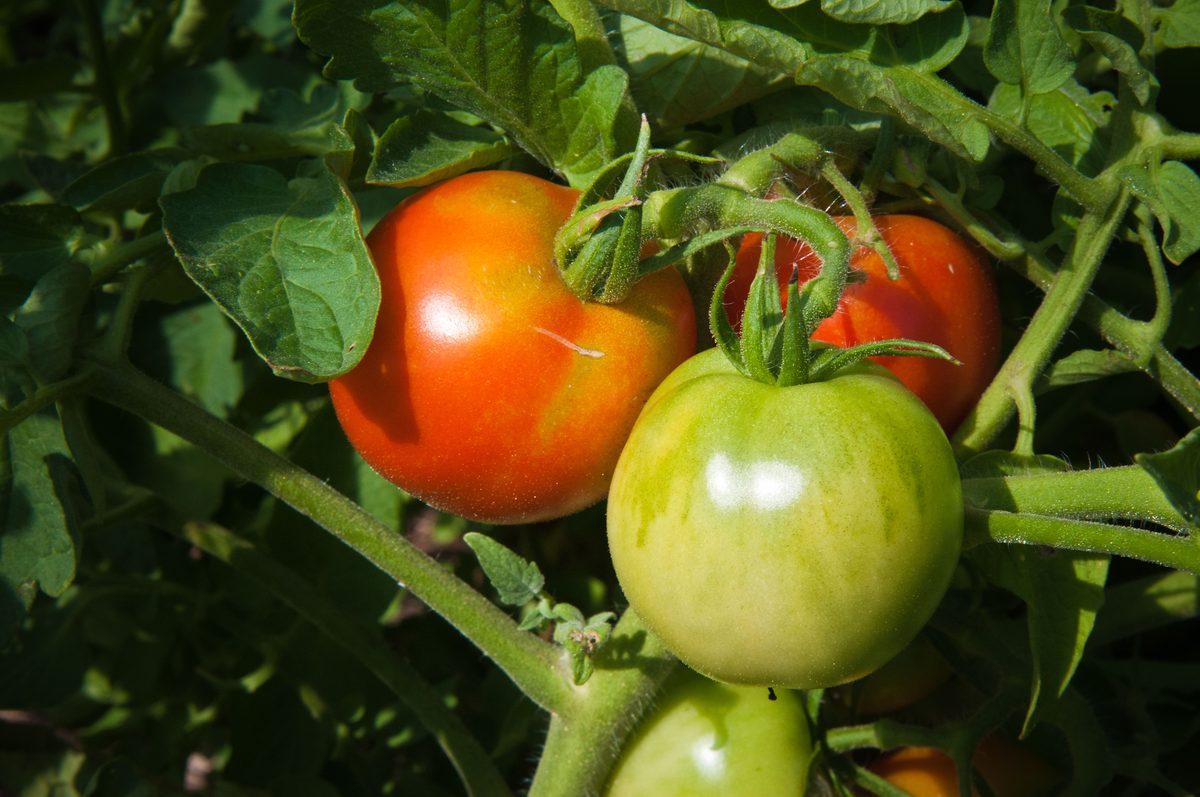
German Johnson is a heirloom tomato. Germination takes 7-14 days and fruit ripens from about day 75. Skin runs to deep red with pink undertones. Water need is high — consistent moisture needed. Suits zones 10-10. Indeterminate, so it keeps fruiting until the season ends.
Sowing
Start indoors 6-8 weeks before last frost date. Transplant after soil warms to 65°F and all frost danger passes.
Cultivation
- Sun
- Full sun (6+ hours)
- Water
- High — consistent moisture needed
- Soil
- Rich, fertile loam with excellent drainage and high organic matter
- Soil pH
- 6.2-6.8
- Spacing
- 36-48 inches
- Height
- 1-10 feet
- Season
- Warm season annual
Appearance & flavour
- Colour
- Deep red with pink undertones
- Size
- 8-16 oz.
- Shape
- Indeterminate
- Flavour
- Rich, complex flavor with perfect sweet-tart balance, very juicy
In the kitchen
Premium slicing tomato for sandwiches and fresh eating. Excellent for canning and sauces when flavor is paramount.
Pests, disease & resistance
- Pests
- Tomato hornworm, cutworms, aphids, tobacco budworm
- Diseases
- Late blight, early blight, septoria leaf spot, bacterial wilt
- Resistance
- Limited disease resistance typical of heirlooms. Prone to cracking in wet weather.
Planting calendar by USDA zone
| Zone | Start indoors | Transplant | Direct sow | Harvest |
|---|---|---|---|---|
| 2 | April – May | June – July | — | September |
| 3 | April | June – July | — | September – October |
| 4 | March – April | June | — | September – October |
| 5 | March | May – June | — | August – October |
| 6 | March | May – June | — | August – October |
| 7 | February – March | April – May | — | July – September |
| 8 | February | April – May | — | July – September |
| 9 | January | March – April | — | June – August |
| 10 | January | February – March | — | May – July |
| 11 | January | January – February | — | April – June |
| 12 | January | January – February | — | April – June |
| 13 | January | January – February | — | April – June |
Companion planting
8 beneficial pairings indexed for this variety, 4 to avoid.
Avoid
Nutrition (per 100 g)
- Calories (per 100 g)
- 27
- Protein (g)
- 0.83
- Fat (g)
- 0.63
- Carbohydrate (g)
- 5.51
- Fibre (g)
- 2.1
- Vitamin C (mg)
- 27.2
- Vitamin E (mg)
- 0.98
- Vitamin K (µg)
- 4.2
- Vitamin B6 (mg)
- 0.06
- Folate (µg)
- 10
- Calcium (mg)
- 11
- Iron (mg)
- 0.33
- Magnesium (mg)
- 11.9
- Phosphorus (mg)
- 28
- Potassium (mg)
- 260
- Zinc (mg)
- 0.2
Where to buy seed and equipment
Some links are affiliate links. If you buy through them we may earn a commission at no extra cost to you.
Cultivar facts compiled from public horticultural references including USDA GRIN and NC State Extension. Descriptions are original to this catalogue.
Grown German Johnson?
Post a crop report — day counts, reservoir readings, what worked. Variety-specific logs are the most useful thing on the forum.
Similar varieties
Other tomatoes with a comparable time to harvest, so a season that suits German Johnson suits these too.
- Iron Lady 75 days
- Moneymaker 75 days
- Garden Peach 75 days
- Determinate Roma 75 days
- Mountain Pride 75 days
- Yellow Pear 75 days