Scallion, Evergreen Hardy White
Scallion, Evergreen Hardy White is a heirloom microgreen variety (Allium fistulosum). Harvest begins around day 16-25; seed germinates in 7-10 days. Set plants Not applicable for microgreens (dense sowing) apart. Grow in zones 4-9, full sun to partial shade (4-6+ hours). Plants reach 1-3 feet.
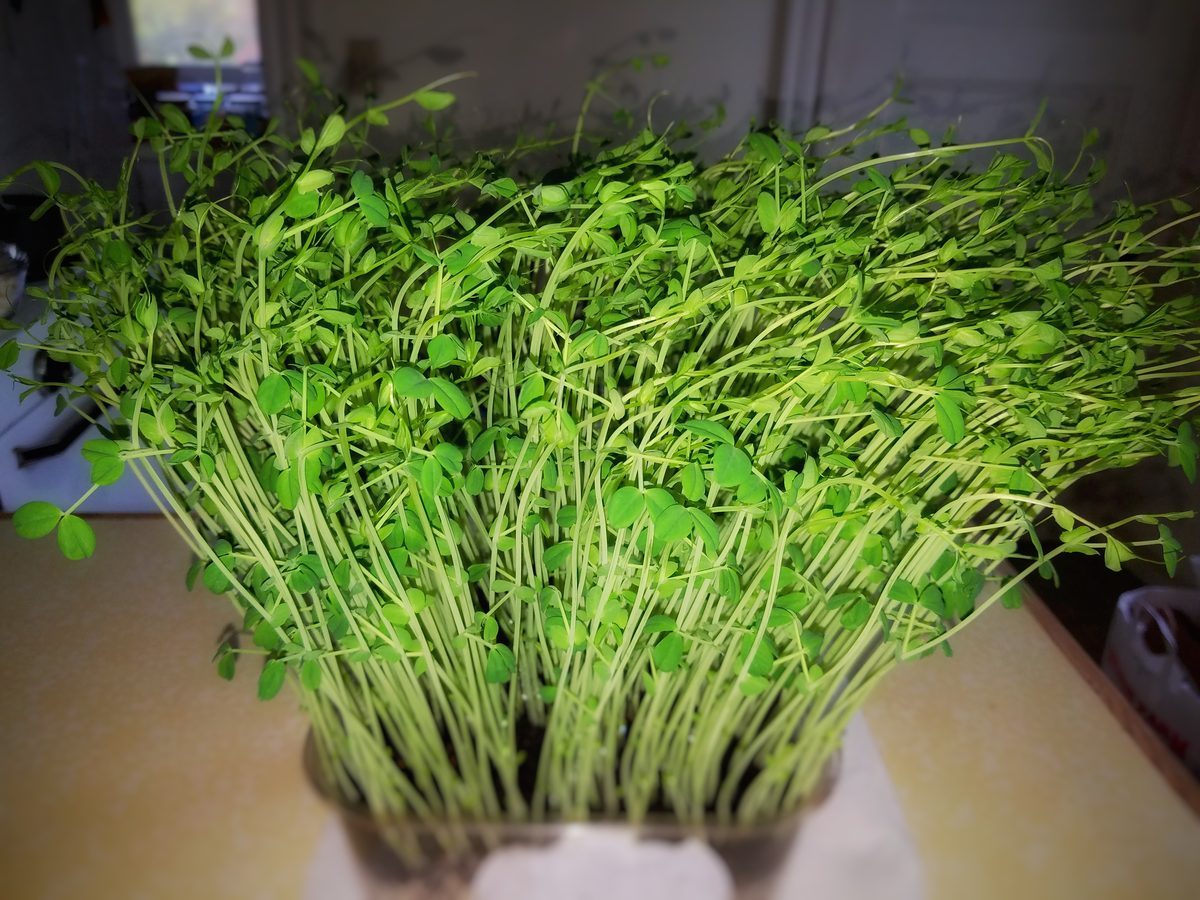
Sowing
Direct sow densely on moist substrate in shallow trays; cover for darkness during germination until sprouts emerge
Cultivation
- Sun
- Full sun to partial shade (4-6+ hours)
- Water
- Consistent moisture; keep substrate damp but not waterlogged
- Soil
- Seed-starting mix, potting mix, or coconut coir
- Spacing
- Not applicable for microgreens (dense sowing)
- Height
- 1-3 feet
- Season
- Warm season annual
Appearance & flavour
- Colour
- Bright green
- Shape
- Thread-like leaves
- Flavour
- Mild, delicate onion flavor with subtle pungency—refined and sophisticated without sharp bite, fresh and slightly sweet
In the kitchen
Garnish for soups, salads, Asian dishes, plated presentations; microgreen salad mixes
Pests, disease & resistance
- Pests
- Fungus gnats, spider mites (rare in microgreens); primarily a concern only if debris or old substrate is present
- Diseases
- Damping off (prevented by proper ventilation and moisture control), mold (prevented by air circulation and avoiding overwatering)
Planting calendar by USDA zone
| Zone | Start indoors | Transplant | Direct sow | Harvest |
|---|---|---|---|---|
| 1 | January – December | — | — | January – December |
| 2 | January – December | — | — | January – December |
| 3 | January – December | — | — | January – December |
| 4 | January – December | — | — | January – December |
| 5 | January – December | — | — | January – December |
| 6 | January – December | — | — | January – December |
| 7 | January – December | — | — | January – December |
| 8 | January – December | — | — | January – December |
| 9 | January – December | — | — | January – December |
| 10 | January – December | — | — | January – December |
| 11 | January – December | — | — | January – December |
| 12 | January – December | — | — | January – December |
| 13 | January – December | — | — | January – December |
Companion planting
8 beneficial pairings indexed for this variety, 3 to avoid.
Avoid
Nutrition (per 100 g)
- Calories (per 100 g)
- 32
- Protein (g)
- 1.83
- Fat (g)
- 0.19
- Carbohydrate (g)
- 7.34
- Fibre (g)
- 2.6
- Sugars (g)
- 2.33
- Vitamin A (µg)
- 50
- Vitamin C (mg)
- 18.8
- Vitamin E (mg)
- 0.55
- Vitamin K (µg)
- 207
- Vitamin B6 (mg)
- 0.061
- Folate (µg)
- 64
- Calcium (mg)
- 72
- Iron (mg)
- 1.48
- Magnesium (mg)
- 20
- Phosphorus (mg)
- 37
- Potassium (mg)
- 276
- Zinc (mg)
- 0.39
- Selenium (µg)
- 0.6
Where to buy seed and equipment
Some links are affiliate links. If you buy through them we may earn a commission at no extra cost to you.
Cultivar facts compiled from public horticultural references including USDA GRIN and NC State Extension. Descriptions are original to this catalogue.
Grown Scallion, Evergreen Hardy White?
Post a crop report — day counts, reservoir readings, what worked. Variety-specific logs are the most useful thing on the forum.
Similar varieties
Other microgreens with a comparable time to harvest, so a season that suits Scallion, Evergreen Hardy White suits these too.
- Carrot Microgreens 16 days
- Carrot 16 days
- Dandelion, Red 16 days
- Dill Microgreens 16 days
- Cilantro Microgreens 16 days
- Amaranth, Glitter Mix 16 days