Tromboncino Squash
Tromboncino Squash is a heirloom squash variety (Cucurbita moschata 'Tromboncino'). Harvest begins around day 60; seed germinates in 7-14 days. Set plants 48-72 inches apart. Grow in soil pH 6.0-7.0, zones 3-11, full sun (6+ hours). Plants reach 4-10 feet.
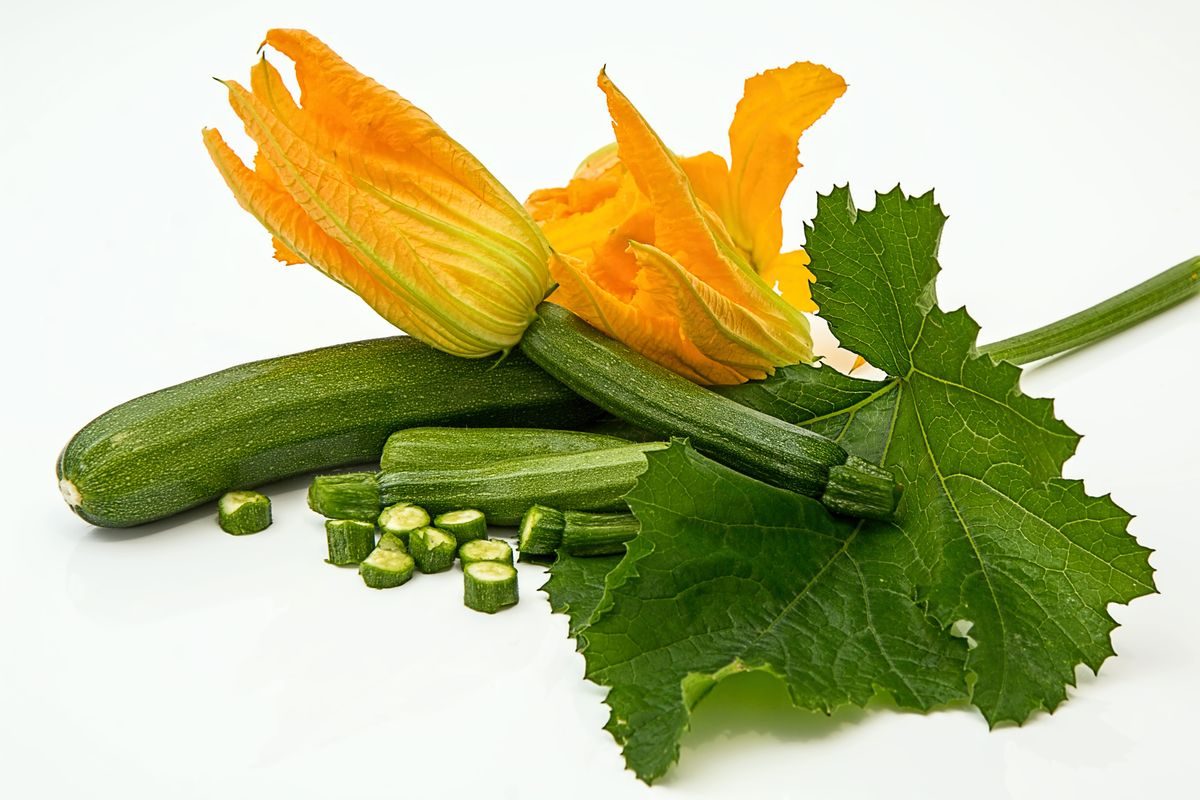
Sowing
Direct sow after soil warms to 65°F. Provide strong trellis or allow to sprawl.
Cultivation
- Sun
- Full sun (6+ hours)
- Water
- 1-1.5 inches per week, consistent moisture
- Soil
- Rich, well-drained soil with compost
- Soil pH
- 6.0-7.0
- Spacing
- 48-72 inches
- Height
- 4-10 feet
- Season
- Warm season
Appearance & flavour
- Colour
- Light green when young, tan when mature
- Size
- 12-24 inches long, curved neck shape
- Shape
- Long curved neck with bulbous end, trombone-like
- Flavour
- Mild and tender when young, sweet and nutty when mature
In the kitchen
Young: like zucchini in stir-fries, grilling. Mature: roasting, soups, purees
Pests, disease & resistance
- Pests
- Cucumber beetles, aphids, squash bugs
- Diseases
- Powdery mildew, bacterial wilt, downy mildew
- Resistance
- Excellent resistance to squash vine borer, good disease tolerance
Planting calendar by USDA zone
| Zone | Start indoors | Transplant | Direct sow | Harvest |
|---|---|---|---|---|
| 2 | — | — | June – August | September |
| 3 | — | — | June – July | September – October |
| 4 | — | — | June – July | August – October |
| 5 | — | — | May – June | August – September |
| 6 | — | — | May – June | August – September |
| 7 | — | — | April – June | July – September |
| 8 | — | — | April – May | July – August |
| 9 | — | — | March – April | June – July |
| 10 | — | — | February – April | May – July |
| 11 | — | — | January – March | April – June |
| 12 | — | — | January – March | April – June |
| 13 | — | — | January – March | April – June |
Companion planting
8 beneficial pairings indexed for this variety, 3 to avoid.
Avoid
Nutrition (per 100 g)
- Calories (per 100 g)
- 26
- Protein (g)
- 0.52
- Fat (g)
- 0.2
- Carbohydrate (g)
- 5.64
- Sugars (g)
- 3.54
- Vitamin C (mg)
- 4.5
- Vitamin E (mg)
- 0
- Vitamin B6 (mg)
- 0.058
- Folate (µg)
- 22
- Calcium (mg)
- 9
- Iron (mg)
- 0.17
- Magnesium (mg)
- 10
- Phosphorus (mg)
- 12
- Potassium (mg)
- 205
- Zinc (mg)
- 0.07
Where to buy seed and equipment
Some links are affiliate links. If you buy through them we may earn a commission at no extra cost to you.
Cultivar facts compiled from public horticultural references including USDA GRIN and NC State Extension. Descriptions are original to this catalogue.
Grown Tromboncino Squash?
Post a crop report — day counts, reservoir readings, what worked. Variety-specific logs are the most useful thing on the forum.
Similar varieties
Other squash with a comparable time to harvest, so a season that suits Tromboncino Squash suits these too.
- Zucchini Rampicante 60 days
- Vegetable Marrow (Long Green Trailing) 60 days
- Cocozelle Italian Heirloom Zucchini 55 days
- Costata Romanesco Zucchini 52 days
- Carmine Splendor 51 days
- Zucchini Eight Ball 50 days