Carmello
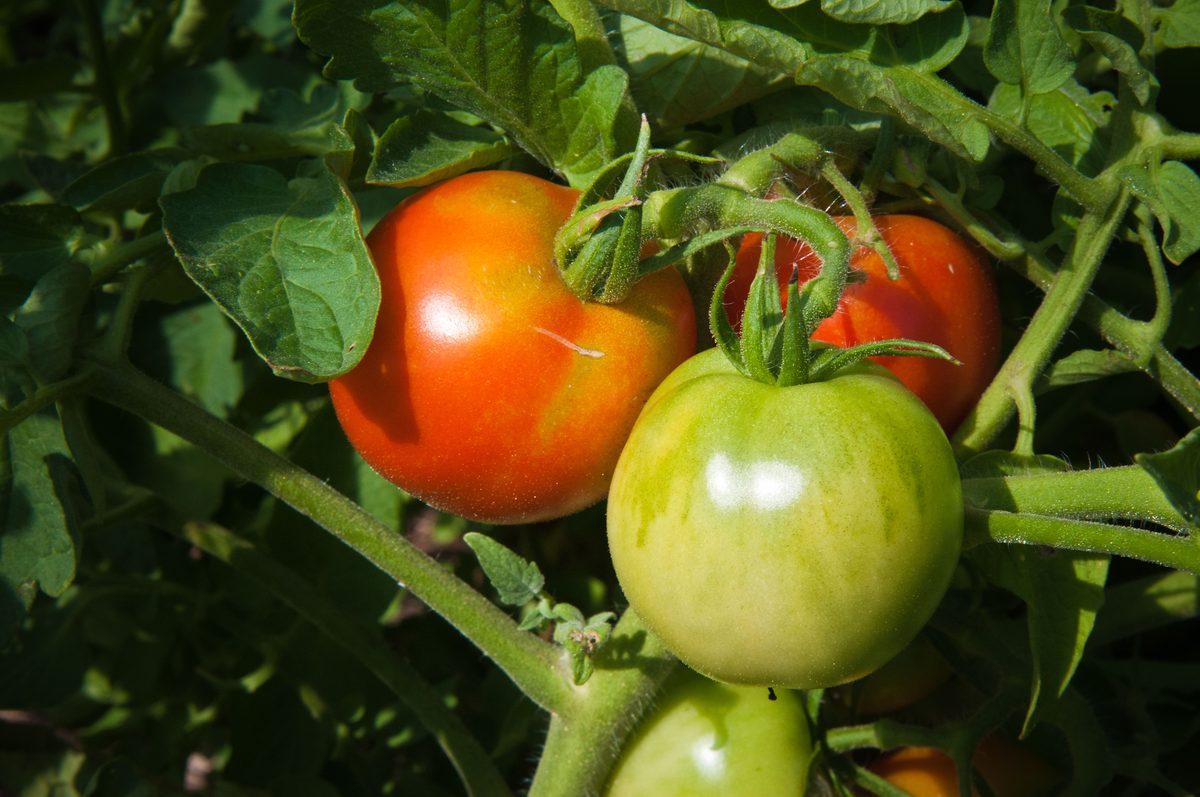
Carmello is a perfectly round, uniform globe shape tomato with fruit around 7-10 oz. Ready from roughly day 75-80. Germination takes 6-12 days. Space 24-36 inches apart at pH 6.2-6.8. Full sun (6+ hours). This one is a hybrid: buy seed each season instead of saving it.
Sowing
Start seeds indoors 6-8 weeks before last frost. Transplant when night temperatures stay above 55°F.
Cultivation
- Sun
- Full sun (6+ hours)
- Water
- High — consistent moisture needed
- Soil
- Rich, well-drained soil with plenty of organic matter
- Soil pH
- 6.2-6.8
- Spacing
- 24-36 inches
- Height
- 1-10 feet
- Season
- Year Round
Appearance & flavour
- Colour
- Deep red with glossy skin
- Size
- 7-10 oz
- Shape
- Perfectly round, uniform globe shape
- Flavour
- Complex, rich flavor with perfect balance of sweetness and acidity, often described as 'perfect tomato taste'
In the kitchen
Gourmet fresh eating, slicing, caprese salads, high-end culinary applications
Pests, disease & resistance
- Pests
- Tomato hornworm, aphids, spider mites
- Diseases
- Late blight, bacterial canker in humid conditions
- Resistance
- Excellent resistance to verticillium wilt, fusarium wilt, tobacco mosaic virus, and gray leaf spot (VFFNtGLS)
Planting calendar by USDA zone
| Zone | Start indoors | Transplant | Direct sow | Harvest |
|---|---|---|---|---|
| 2 | April – May | June – July | — | September |
| 3 | April | June – July | — | September – October |
| 4 | March – April | June | — | August – October |
| 5 | March | May – June | — | August – October |
| 6 | March | May – June | — | August – October |
| 7 | February – March | April – May | — | July – September |
| 8 | February | April – May | — | July – September |
| 9 | January | March – April | — | June – August |
| 10 | January | February – March | — | May – July |
| 11 | January | January – February | — | April – June |
| 12 | January | January – February | — | April – June |
| 13 | January | January – February | — | April – June |
Companion planting
8 beneficial pairings indexed for this variety, 4 to avoid.
Avoid
Nutrition (per 100 g)
- Calories (per 100 g)
- 27
- Protein (g)
- 0.83
- Fat (g)
- 0.63
- Carbohydrate (g)
- 5.51
- Fibre (g)
- 2.1
- Vitamin C (mg)
- 27.2
- Vitamin E (mg)
- 0.98
- Vitamin K (µg)
- 4.2
- Vitamin B6 (mg)
- 0.06
- Folate (µg)
- 10
- Calcium (mg)
- 11
- Iron (mg)
- 0.33
- Magnesium (mg)
- 11.9
- Phosphorus (mg)
- 28
- Potassium (mg)
- 260
- Zinc (mg)
- 0.2
Where to buy seed and equipment
Some links are affiliate links. If you buy through them we may earn a commission at no extra cost to you.
Cultivar facts compiled from public horticultural references including USDA GRIN and NC State Extension. Descriptions are original to this catalogue.
Grown Carmello?
Post a crop report — day counts, reservoir readings, what worked. Variety-specific logs are the most useful thing on the forum.
Similar varieties
Other tomatoes with a comparable time to harvest, so a season that suits Carmello suits these too.
- Marglobe 75 days
- Determinate Paste 75 days
- Rutgers 75 days
- German Johnson 75 days
- Roma VF 75 days
- Moneymaker 75 days