Celery Microgreens
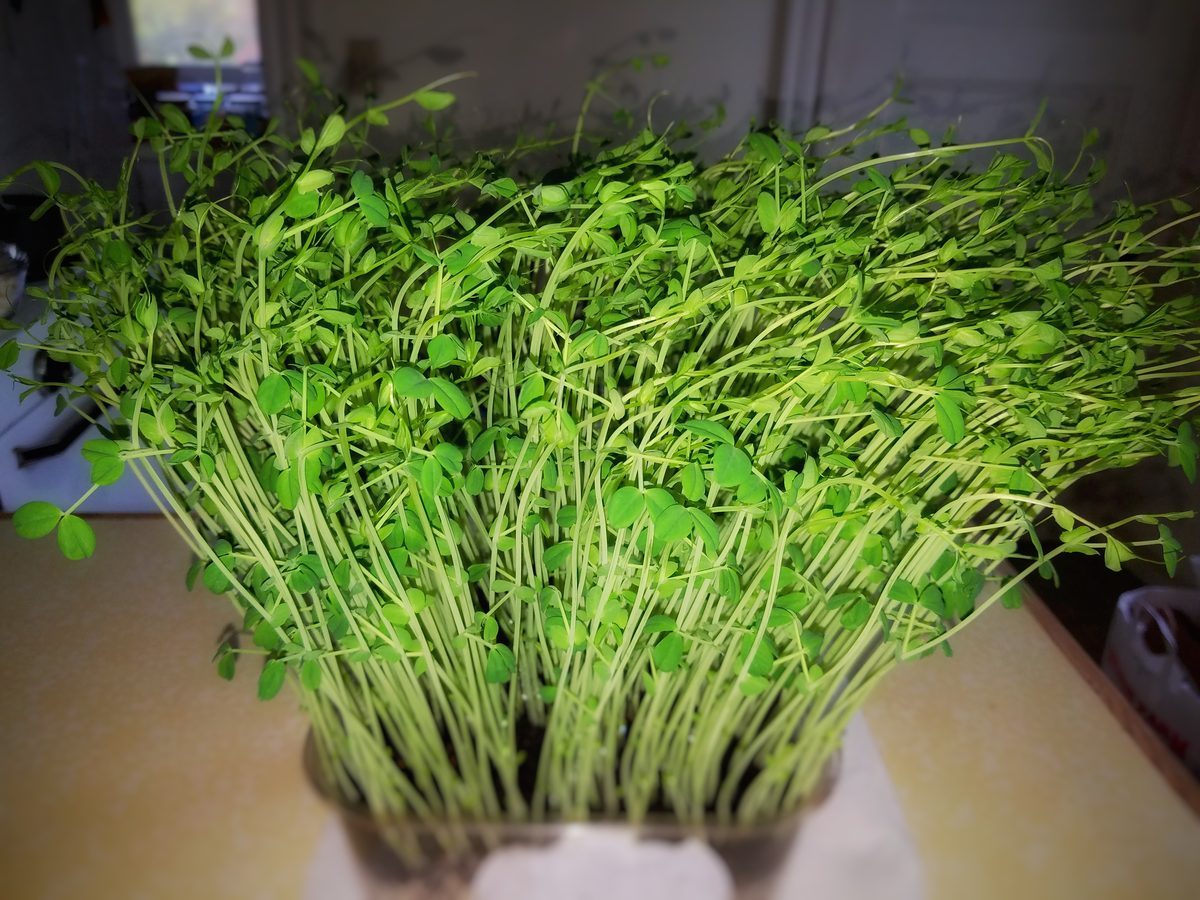
Celery Microgreens is a serrated, compound leaves characteristic of celery family microgreen with fruit around 1-3 inches tall with small compound leaves. Ready from roughly day 100. Germination takes 7-14 days. Space Dense planting, 2-3 seeds per square inch apart at pH 6.0-7.0. Full sun (6+ hours). It will crop in a container.
Sowing
Surface sow tiny seeds on moist medium, press lightly, keep covered until germination. Seeds need light to germinate.
Cultivation
- Sun
- Full sun (6+ hours)
- Water
- Light misting 2-3 times daily, maintain consistent moisture
- Soil
- Fine soilless growing medium or seed starting mix
- Soil pH
- 6.0-7.0
- Spacing
- Dense planting, 2-3 seeds per square inch
- Height
- 1-3 feet
- Season
- Warm season annual
Appearance & flavour
- Colour
- Medium to dark green with serrated edges
- Size
- 1-3 inches tall with small compound leaves
- Shape
- Serrated, compound leaves characteristic of celery family
- Flavour
- Intense celery flavor, aromatic, slightly bitter with fresh herbal notes
In the kitchen
Garnish for soups, bloody marys, salads, seafood dishes, flavoring agent, microgreen blends
Pests, disease & resistance
- Pests
- Aphids, spider mites in dry conditions
- Diseases
- Damping off, leaf blight, septoria leaf spot in humid conditions
- Resistance
- Moderate resistance, can be sensitive to fungal issues in high humidity
Planting calendar by USDA zone
| Zone | Start indoors | Transplant | Direct sow | Harvest |
|---|---|---|---|---|
| 1 | January – December | — | — | January – December |
| 2 | January – December | — | — | January – December |
| 3 | January – December | — | — | January – December |
| 4 | January – December | — | — | January – December |
| 5 | January – December | — | — | January – December |
| 6 | January – December | — | — | January – December |
| 7 | January – December | — | — | January – December |
| 8 | January – December | — | — | January – December |
| 9 | January – December | — | — | January – December |
| 10 | January – December | — | — | January – December |
| 11 | January – December | — | — | January – December |
| 12 | January – December | — | — | January – December |
| 13 | January – December | — | — | January – December |
Companion planting
8 beneficial pairings indexed for this variety, 3 to avoid.
Avoid
Nutrition (per 100 g)
- Calories (per 100 g)
- 69
- Protein (g)
- 1.5
- Fat (g)
- 0.1
- Carbohydrate (g)
- 17.6
- Fibre (g)
- 5.3
- Sugars (g)
- 8.55
- Vitamin A (µg)
- 5
- Vitamin C (mg)
- 54.1
- Calcium (mg)
- 8
- Iron (mg)
- 1.61
- Magnesium (mg)
- 24
- Phosphorus (mg)
- 47
- Potassium (mg)
- 304
- Zinc (mg)
- 0.31
Where to buy seed and equipment
Some links are affiliate links. If you buy through them we may earn a commission at no extra cost to you.
Cultivar facts compiled from public horticultural references including USDA GRIN and NC State Extension. Descriptions are original to this catalogue.
Grown Celery Microgreens?
Post a crop report — day counts, reservoir readings, what worked. Variety-specific logs are the most useful thing on the forum.
Similar varieties
Other microgreens with a comparable time to harvest, so a season that suits Celery Microgreens suits these too.
- Onion Microgreens 109 days
- Kale Microgreens 90 days
- Corn Microgreens 112 days
- Sunflower Microgreens 85 days
- Purple Kohlrabi Microgreens 80 days
- Chives Microgreens 75 days