Celosia
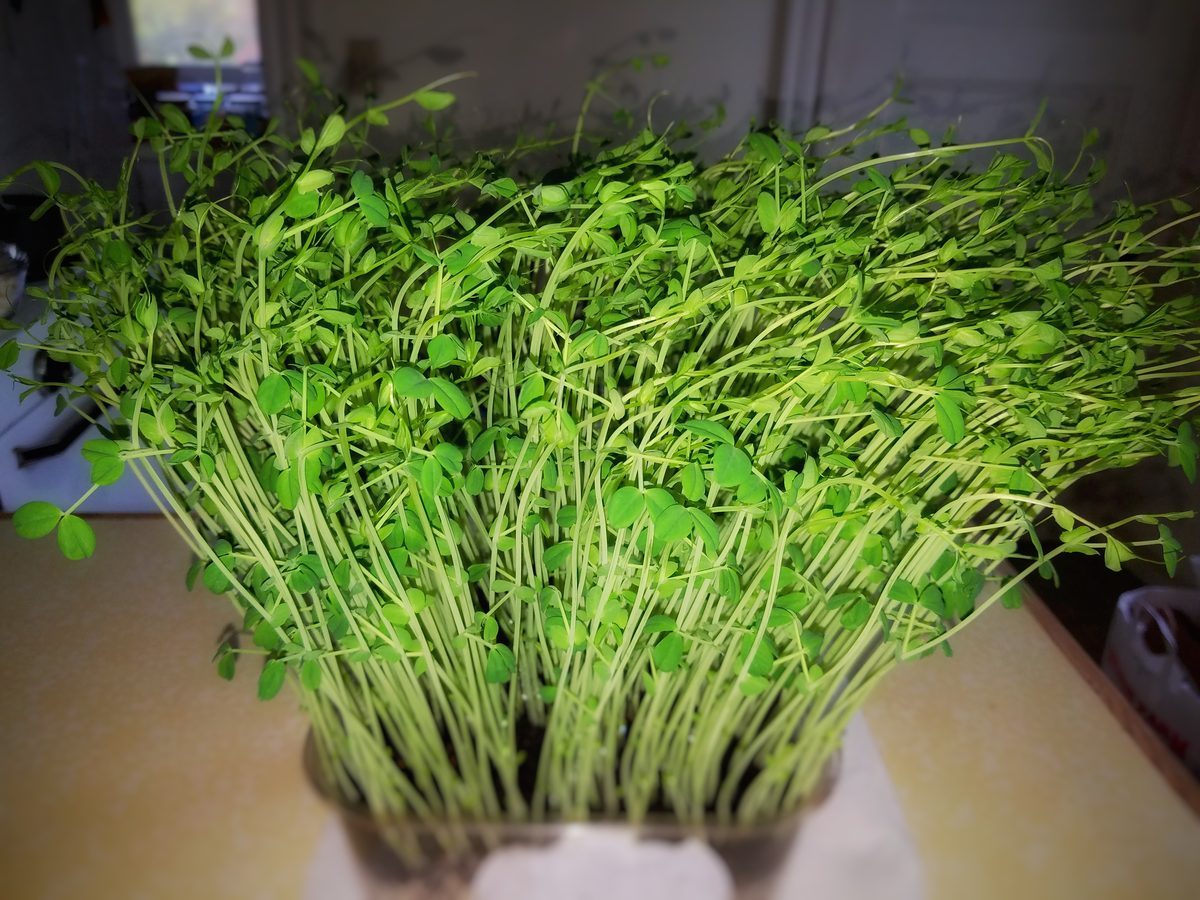
Celosia is a heirloom microgreen variety (Celosia argentea plumosa). Harvest begins around day 10-15; seed germinates in 5-7 days. Set plants No spacing needed; dense broadcast sowing apart. Grow in zones 10-11, full sun (6+ hours). Plants reach 9-18 inches.
Sowing
Broadcast seeds densely across moist seed-starting mix, cover for darkness during germination (3–5 days), then uncover and expose to full sun or grow lights
Cultivation
- Sun
- Full sun (6+ hours)
- Water
- Consistent moisture; water from below to avoid fungal issues
- Soil
- Sterile seed-starting mix or coconut coir
- Spacing
- No spacing needed; dense broadcast sowing
- Height
- 9-18 inches
- Season
- Warm season annual
Appearance & flavour
- Colour
- Bright green with pink, orange, and yellow veins and stems
- Shape
- Upright seedling shoots with oval cotyledons and emerging true leaves
- Flavour
- Mild, slightly sweet, earthy flavor with delicate, tender texture
In the kitchen
Garnish for salads, grain bowls, and smoothies; nutritional supplement for health-focused dishes
Pests, disease & resistance
- Pests
- None typically; home-scale microgreens rarely encounter pest problems
- Diseases
- Damping-off (fungal), mold on soil surface if overwatered or humidity excessive
Planting calendar by USDA zone
| Zone | Start indoors | Transplant | Direct sow | Harvest |
|---|---|---|---|---|
| 1 | January – December | — | — | January – December |
| 2 | January – December | — | — | January – December |
| 3 | January – December | — | — | January – December |
| 4 | January – December | — | — | January – December |
| 5 | January – December | — | — | January – December |
| 6 | January – December | — | — | January – December |
| 7 | January – December | — | — | January – December |
| 8 | January – December | — | — | January – December |
| 9 | January – December | — | — | January – December |
| 10 | January – December | — | — | January – December |
| 11 | January – December | — | — | January – December |
| 12 | January – December | — | — | January – December |
| 13 | January – December | — | — | January – December |
Companion planting
8 beneficial pairings indexed for this variety, 3 to avoid.
Avoid
Nutrition (per 100 g)
- Calories (per 100 g)
- 69
- Protein (g)
- 1.5
- Fat (g)
- 0.1
- Carbohydrate (g)
- 17.6
- Fibre (g)
- 5.3
- Sugars (g)
- 8.55
- Vitamin A (µg)
- 5
- Vitamin C (mg)
- 54.1
- Calcium (mg)
- 8
- Iron (mg)
- 1.61
- Magnesium (mg)
- 24
- Phosphorus (mg)
- 47
- Potassium (mg)
- 304
- Zinc (mg)
- 0.31
Where to buy seed and equipment
Some links are affiliate links. If you buy through them we may earn a commission at no extra cost to you.
Cultivar facts compiled from public horticultural references including USDA GRIN and NC State Extension. Descriptions are original to this catalogue.
Grown Celosia?
Post a crop report — day counts, reservoir readings, what worked. Variety-specific logs are the most useful thing on the forum.
Similar varieties
Other microgreens with a comparable time to harvest, so a season that suits Celosia suits these too.
- Cress Microgreens 10 days
- Chinese Cabbage, Tokyo Bekana 10 days
- Mizuna, Red Kingdom 10 days
- Tatsoi 10 days
- Spicy Micro Mix 10 days
- Arugula Microgreens 10 days