Poblano 'Poblano Pepper'
Poblano 'Poblano Pepper' is a heirloom pepper variety (Capsicum annuum 'Poblano'). Harvest begins around day 65-80; seed germinates in 10-21 days. Set plants 18-24 inches apart. Grow in soil pH 6.2-7.0, zones 4-11, full sun (6+ hours). Plants reach 1-3 feet. It will crop in a container.
Sowing
Start indoors 8-10 weeks before last frost. Transplant outdoors when soil temperature is consistently above 60°F.
Cultivation
- Sun
- Full sun (6+ hours)
- Water
- 1-1.5 inches per week, allow soil to dry slightly between waterings
- Soil
- Well-drained, sandy loam with good organic content
- Soil pH
- 6.2-7.0
- Spacing
- 18-24 inches
- Height
- 1-3 feet
- Season
- Warm season
Appearance & flavour
- Colour
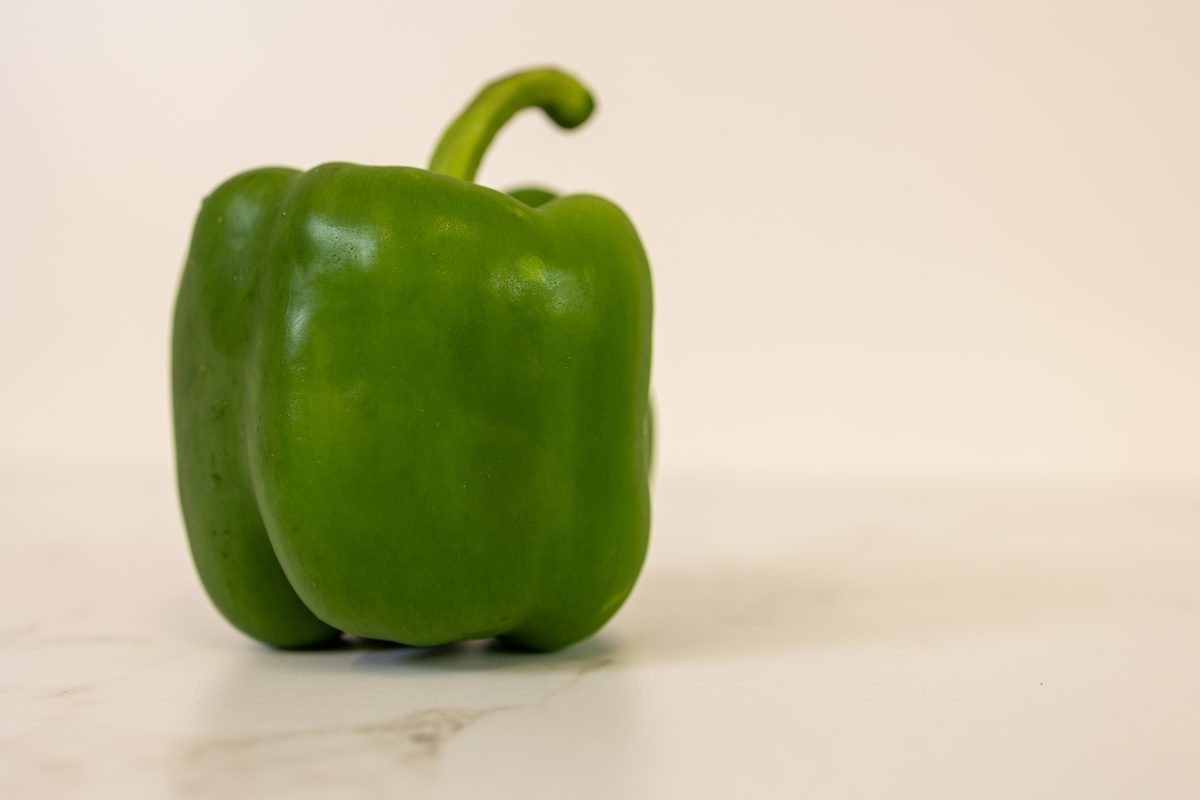
- Dark green when fresh, turning red-brown when fully mature
- Size
- 3-4 inches long, 2-3 inches wide
- Shape
- Heart-shaped, broad shoulders tapering to point
- Flavour
- Mild heat (1,000-2,000 Scoville units) with rich, earthy, slightly smoky flavor
In the kitchen
Chiles rellenos, roasting, grilling, Mexican cuisine, drying to make ancho chiles
Pests, disease & resistance
- Pests
- Aphids, spider mites, pepper maggot, cutworms
- Diseases
- Bacterial spot, verticillium wilt, mosaic virus
- Resistance
- Moderate resistance to common pepper diseases
Planting calendar by USDA zone
| Zone | Start indoors | Transplant | Direct sow | Harvest |
|---|---|---|---|---|
| 1 | May | July – August | — | September – August |
| 2 | April – May | June – July | — | September |
| 3 | April | June – July | — | August – October |
| 4 | March – April | June | — | August – October |
| 5 | March | May – June | — | August – October |
| 6 | March | May – June | — | July – September |
| 7 | February – March | April – May | — | July – September |
| 8 | February | April – May | — | June – August |
| 9 | January | March – April | — | May – July |
| 10 | January | February – March | — | May – July |
| 11 | January | January – February | — | April – June |
| 12 | January | January – February | — | April – June |
| 13 | January | January – February | — | April – June |
Companion planting
8 beneficial pairings indexed for this variety, 4 to avoid.
Avoid
Nutrition (per 100 g)
- Protein (g)
- 1.43
- Fat (g)
- 0.191
- Carbohydrate (g)
- 5.14
- Fibre (g)
- 2.07
- Vitamin C (mg)
- 128
- Vitamin B6 (mg)
- 0.309
- Folate (µg)
- 26
- Calcium (mg)
- 8.37
- Iron (mg)
- 0.117
- Magnesium (mg)
- 10.7
- Phosphorus (mg)
- 22.4
- Potassium (mg)
- 192
- Zinc (mg)
- 0.128
Where to buy seed and equipment
Some links are affiliate links. If you buy through them we may earn a commission at no extra cost to you.
Cultivar facts compiled from public horticultural references including USDA GRIN and NC State Extension. Descriptions are original to this catalogue.
Grown Poblano 'Poblano Pepper'?
Post a crop report — day counts, reservoir readings, what worked. Variety-specific logs are the most useful thing on the forum.
Similar varieties
Other peppers with a comparable time to harvest, so a season that suits Poblano 'Poblano Pepper' suits these too.
- Jalapeño 'Early Jalapeño' 65 days
- Bell Pepper 'King of the North' 65 days
- Hot Pepper 'Jalapeño M' 65 days
- Pepperoncini 'Golden Greek' 65 days
- Sweet Pepper 'Gypsy' 65 days
- Poblano 'Ancho Poblano' 65 days