Sweet Pepper 'Cubanelle'
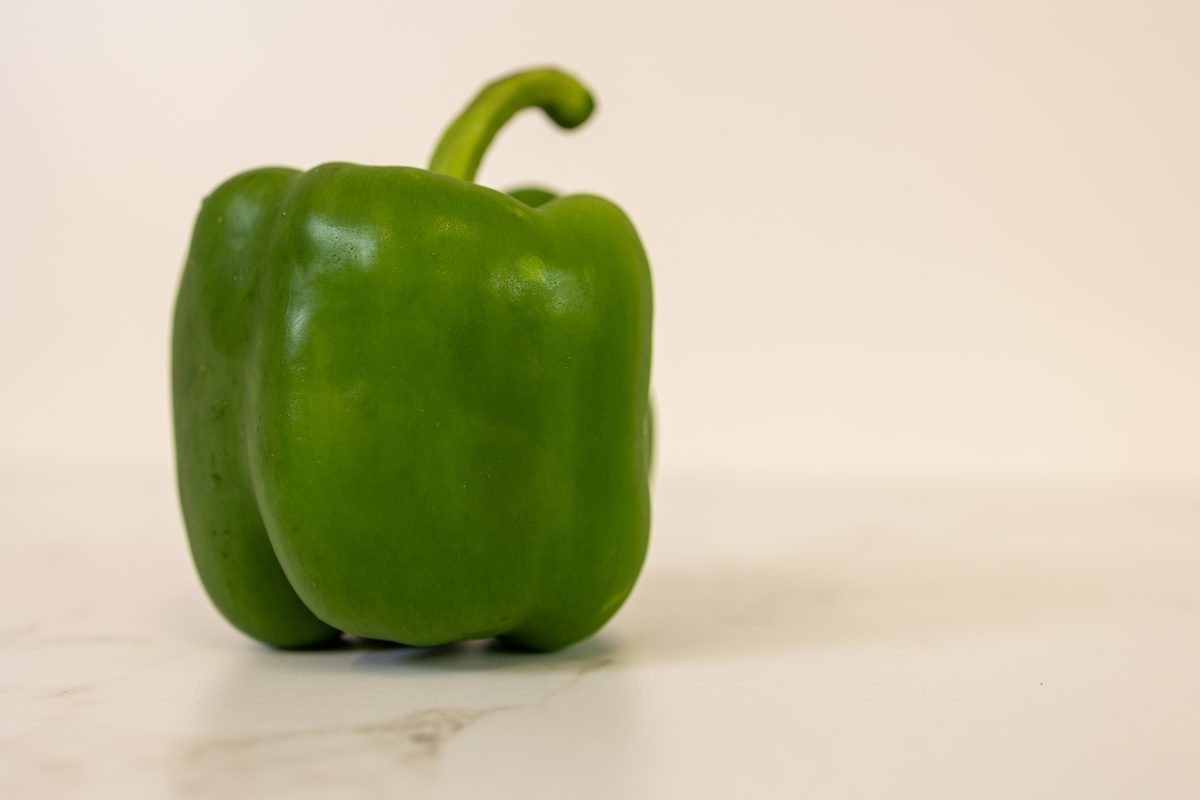
Sweet Pepper 'Cubanelle': 60-70 days to harvest, 10-14 days to germinate, 18-20 inches between plants, pH 6.0-6.8, hardy in zones 4-11. Fruit runs to about 4-6 inches long, 2 inches wide. Give it full sun (6+ hours) and 1-1.5 inches per week, even moisture water. It will crop in a container.
Sowing
Start seeds indoors 8-10 weeks before last frost. Transplant outdoors after soil warms to 60°F and night temperatures stay above 50°F.
Cultivation
- Sun
- Full sun (6+ hours)
- Water
- 1-1.5 inches per week, even moisture
- Soil
- Well-drained, fertile soil with good organic matter
- Soil pH
- 6.0-6.8
- Spacing
- 18-20 inches
- Height
- 1-3 feet
- Season
- Warm season
Appearance & flavour
- Colour
- Light green to yellow-green, ripening to red
- Size
- 4-6 inches long, 2 inches wide
- Shape
- Long, tapered, slightly curved with thin walls
- Flavour
- Very mild and sweet with almost no heat (0-1,000 Scoville), crisp when fresh
In the kitchen
Frying, sautéing, stuffing, salads, sandwiches, Italian and Caribbean dishes
Pests, disease & resistance
- Pests
- Aphids, pepper weevil, European corn borer, flea beetles
- Diseases
- Bacterial spot, phytophthora blight, pepper mottle virus
- Resistance
- Moderate resistance to common pepper diseases
Planting calendar by USDA zone
| Zone | Start indoors | Transplant | Direct sow | Harvest |
|---|---|---|---|---|
| 1 | May | July – August | — | September – August |
| 2 | April – May | June – July | — | September |
| 3 | April | June – July | — | August – October |
| 4 | March – April | June | — | August – October |
| 5 | March | May – June | — | August – October |
| 6 | March | May – June | — | July – September |
| 7 | February – March | April – May | — | July – September |
| 8 | February | April – May | — | June – August |
| 9 | January | March – April | — | May – July |
| 10 | January | February – March | — | May – July |
| 11 | January | January – February | — | April – June |
| 12 | January | January – February | — | April – June |
| 13 | January | January – February | — | April – June |
Companion planting
8 beneficial pairings indexed for this variety, 3 to avoid.
Avoid
Nutrition (per 100 g)
- Calories (per 100 g)
- 27
- Protein (g)
- 1.66
- Fat (g)
- 0.45
- Carbohydrate (g)
- 5.35
- Fibre (g)
- 3.4
- Sugars (g)
- 1.95
- Vitamin A (µg)
- 17
- Vitamin C (mg)
- 82.7
- Vitamin E (mg)
- 0.69
- Vitamin K (µg)
- 9.5
- Vitamin B6 (mg)
- 0.357
- Folate (µg)
- 29
- Calcium (mg)
- 14
- Iron (mg)
- 0.46
- Magnesium (mg)
- 17
- Phosphorus (mg)
- 32
- Potassium (mg)
- 256
- Zinc (mg)
- 0.25
- Selenium (µg)
- 0.3
Where to buy seed and equipment
Some links are affiliate links. If you buy through them we may earn a commission at no extra cost to you.
Cultivar facts compiled from public horticultural references including USDA GRIN and NC State Extension. Descriptions are original to this catalogue.
Grown Sweet Pepper 'Cubanelle'?
Post a crop report — day counts, reservoir readings, what worked. Variety-specific logs are the most useful thing on the forum.
Similar varieties
Other peppers with a comparable time to harvest, so a season that suits Sweet Pepper 'Cubanelle' suits these too.
- Sweet Pepper 'Mini Bell Mix' 60 days
- Shishito 'Japanese Shishito' 60 days
- Sweet Pepper 'Purple Flash' 60 days
- Padron Pepper 60 days
- Cherry Bomb 64 days
- Sweet Pepper 'Lipstick' 55 days