Vitaverde
Vitaverde is a hybrid brassica. Germination takes 7-14 days and fruit ripens from about day 71. Skin runs to green. Water need is regular, consistent moisture; approximately 1-1.5 inches per week. Suits zones 6-9. As a hybrid it will not breed true; saving seed from it is not worth the space.
Sowing
Start indoors 6-8 weeks before last frost, or direct sow seeds in garden
Cultivation
- Sun
- Full sun to partial shade (4-6+ hours)
- Water
- Regular, consistent moisture; approximately 1-1.5 inches per week
- Soil
- Well-drained loam, rich in organic matter, slightly acidic to neutral
- Spacing
- 18-24 inches
- Height
- 10-24 inches
- Season
- Warm season annual
Appearance & flavour
- Colour
- Green
- Shape
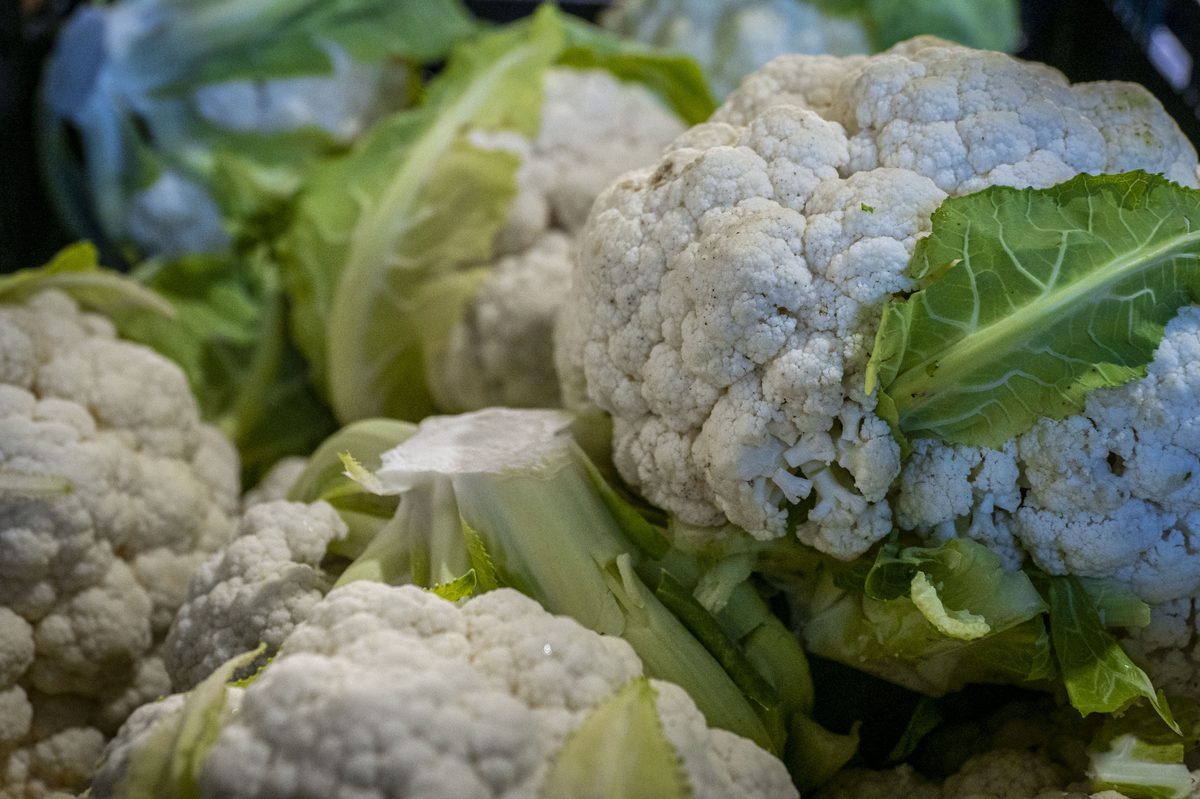
- Round, compact head
- Flavour
- Mild, slightly sweet green cabbage with a crisp, tender texture when fresh.
In the kitchen
Fresh eating, coleslaw, salads, stir-fries, braising, fermented (sauerkraut), soups
Pests, disease & resistance
- Pests
- Cabbage worms, cabbage loopers, flea beetles, aphids, diamondback moths
- Diseases
- Clubroot, black rot, yellows, downy mildew, fusarium wilt
Planting calendar by USDA zone
| Zone | Start indoors | Transplant | Direct sow | Harvest |
|---|---|---|---|---|
| 1 | April – May | June – July | June – July | August – September |
| 2 | April – May | June – July | May – July | July – September |
| 3 | March – April | May – June | May – June | July – October |
| 4 | March – April | May – June | April – June | July – October |
| 5 | February – March | April – May | April – May | June – November |
| 6 | February – March | April – May | April – May | June – November |
| 7 | February – March | April – May | March – May | May – November |
| 8 | January – February | March – April | March – April | May – December |
| 9 | January | February – March | February – March | April – December |
| 10 | January | February – March | January – March | March – December |
| 11 | January | January – February | January – February | February – December |
| 12 | January | January – February | January – February | February – December |
| 13 | January | January – February | January – February | February – December |
Companion planting
8 beneficial pairings indexed for this variety, 3 to avoid.
Avoid
Nutrition (per 100 g)
- Calories (per 100 g)
- 31
- Protein (g)
- 2.57
- Fat (g)
- 0.34
- Carbohydrate (g)
- 6.27
- Fibre (g)
- 2.4
- Vitamin A (µg)
- 8
- Vitamin C (mg)
- 91.3
- Vitamin E (mg)
- 0.15
- Vitamin K (µg)
- 102
- Vitamin B6 (mg)
- 0.191
- Folate (µg)
- 65
- Calcium (mg)
- 46
- Iron (mg)
- 0.69
- Magnesium (mg)
- 21
- Phosphorus (mg)
- 67
- Potassium (mg)
- 303
- Zinc (mg)
- 0.42
- Selenium (µg)
- 1.6
Where to buy seed and equipment
Some links are affiliate links. If you buy through them we may earn a commission at no extra cost to you.
Cultivar facts compiled from public horticultural references including USDA GRIN and NC State Extension. Descriptions are original to this catalogue.
Grown Vitaverde?
Post a crop report — day counts, reservoir readings, what worked. Variety-specific logs are the most useful thing on the forum.
Similar varieties
Other brassicas with a comparable time to harvest, so a season that suits Vitaverde suits these too.
- Lavender 70 days
- Cabbage 'Stonehead' 70 days
- Fioretto 70 70 days
- Burpee Hybrid Broccoli 70 days
- Denali 73 days
- Amazing 68 days