Flame Star
Flame Star is a hybrid brassica variety (Brassica oleracea var. botrytis). Harvest begins around day 62; seed germinates in 7-10 days. Set plants 18-24 inches apart. Grow in zones 6-9, full sun to partial shade (4-6+ hours). Plants reach 10-24 inches. Hybrid seed does not come true, so it has to be bought fresh each season rather than saved.
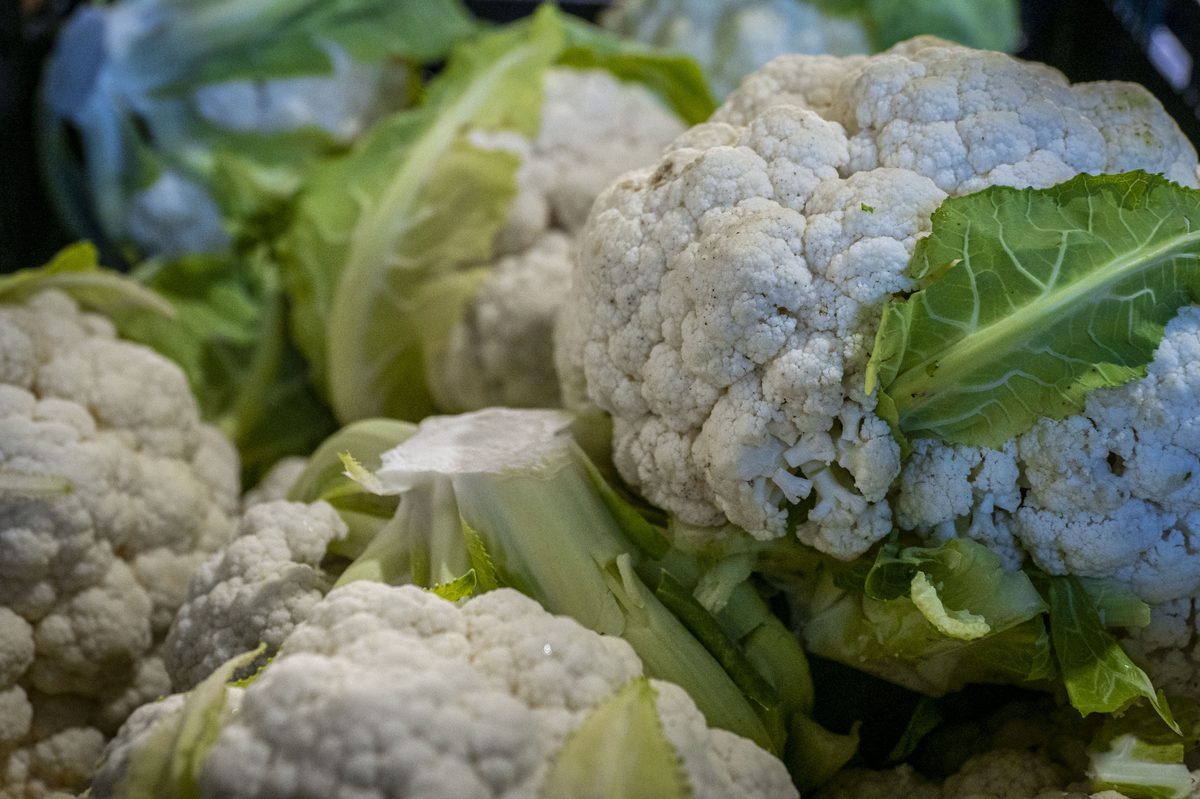
Sowing
Start indoors 5-6 weeks before last frost date, or direct sow in late summer for fall crop
Cultivation
- Sun
- Full sun to partial shade (4-6+ hours)
- Water
- Regular, consistent moisture; 1-1.5 inches per week
- Soil
- Well-drained loam, fertile soil with consistent moisture
- Spacing
- 18-24 inches
- Height
- 10-24 inches
- Season
- Warm season annual
Appearance & flavour
- Colour
- Pastel orange
- Shape
- Rounded dome-shaped head
- Flavour
- Mild, slightly sweet cauliflower flavor with tender texture, less sulfurous than white varieties.
In the kitchen
Roasting, steaming, raw in salads, curries, gratins, pickled
Pests, disease & resistance
- Pests
- Cabbage worms, cabbage loopers, flea beetles, whiteflies
- Diseases
- Black rot, clubroot, cauliflower mosaic virus
Planting calendar by USDA zone
| Zone | Start indoors | Transplant | Direct sow | Harvest |
|---|---|---|---|---|
| 1 | April – May | June – July | June – July | August – September |
| 2 | April – May | June – July | May – July | July – September |
| 3 | March – April | May – June | May – June | July – October |
| 4 | March – April | May – June | April – June | June – October |
| 5 | February – March | April – May | April – May | June – November |
| 6 | February – March | April – May | April – May | June – November |
| 7 | February – March | April – May | March – May | May – November |
| 8 | January – February | March – April | March – April | May – December |
| 9 | January | February – March | February – March | April – December |
| 10 | January | February – March | January – March | March – December |
| 11 | January | January – February | January – February | February – December |
| 12 | January | January – February | January – February | February – December |
| 13 | January | January – February | January – February | February – December |
Companion planting
8 beneficial pairings indexed for this variety, 3 to avoid.
Avoid
Nutrition (per 100 g)
- Calories (per 100 g)
- 31
- Protein (g)
- 2.57
- Fat (g)
- 0.34
- Carbohydrate (g)
- 6.27
- Fibre (g)
- 2.4
- Vitamin A (µg)
- 8
- Vitamin C (mg)
- 91.3
- Vitamin E (mg)
- 0.15
- Vitamin K (µg)
- 102
- Vitamin B6 (mg)
- 0.191
- Folate (µg)
- 65
- Calcium (mg)
- 46
- Iron (mg)
- 0.69
- Magnesium (mg)
- 21
- Phosphorus (mg)
- 67
- Potassium (mg)
- 303
- Zinc (mg)
- 0.42
- Selenium (µg)
- 1.6
Where to buy seed and equipment
Some links are affiliate links. If you buy through them we may earn a commission at no extra cost to you.
Cultivar facts compiled from public horticultural references including USDA GRIN and NC State Extension. Descriptions are original to this catalogue.
Grown Flame Star?
Post a crop report — day counts, reservoir readings, what worked. Variety-specific logs are the most useful thing on the forum.
Similar varieties
Other brassicas with a comparable time to harvest, so a season that suits Flame Star suits these too.
- Twister 62 days
- Purple Moon 62 days
- Early Jersey Wakefield Cabbage 63 days
- Champion Collards 60 days
- Synergy 60 days
- Peppermint 60 days