Red Cloud
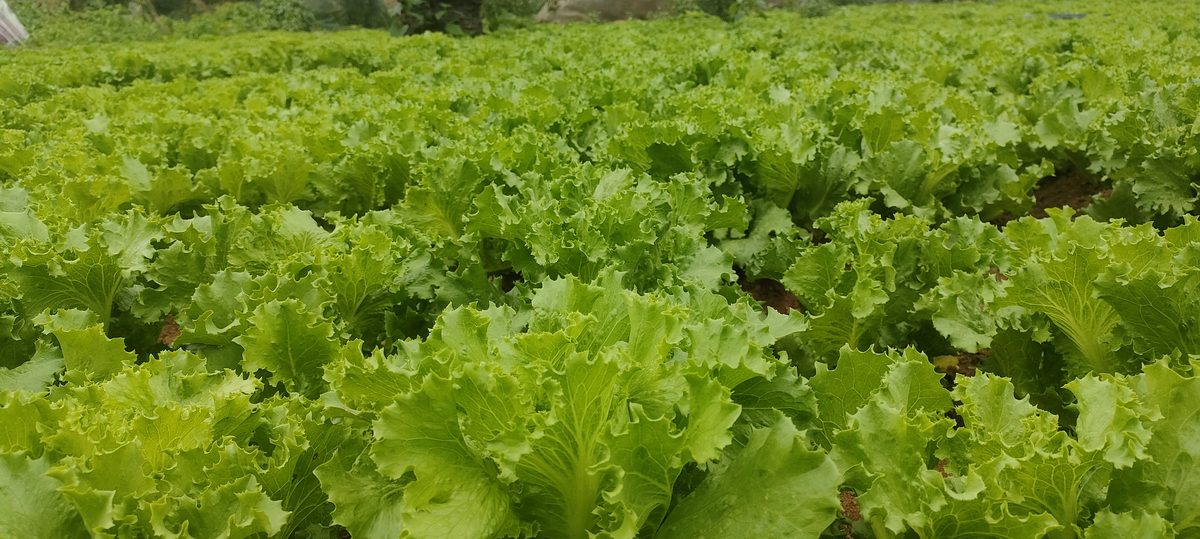
Red Cloud is a rounded, cupped leaves lettuce with fruit around 8-12". Ready from roughly day 28. Germination takes 7-10 days. Space 8-12 inches apart. Full sun to part shade. This one is a hybrid: buy seed each season instead of saving it.
Sowing
Direct sow after last frost, or succession sow every 2-3 weeks for continuous harvest
Cultivation
- Sun
- Full sun to part shade
- Water
- High — consistent moisture needed
- Soil
- Well-drained loam, rich in organic matter
- Spacing
- 8-12 inches
- Height
- 3 feet
- Season
- Warm season annual
Appearance & flavour
- Colour
- Deep red
- Size
- 8-12"
- Shape
- Rounded, cupped leaves
- Flavour
- Mild, delicate flavor with juicy, crunchy texture and no bitterness.
In the kitchen
Salads, fresh eating, baby leaf harvesting, mixed greens, farm-to-table presentations
Pests, disease & resistance
- Pests
- Aphids, slugs, snails, flea beetles, caterpillars
- Diseases
- Downy mildew, lettuce mosaic virus, damping off
Planting calendar by USDA zone
| Zone | Start indoors | Transplant | Direct sow | Harvest |
|---|---|---|---|---|
| 1 | — | — | June – July | June – September |
| 2 | — | — | May – July | June – September |
| 3 | — | — | May – June | May – October |
| 4 | — | — | April – June | May – October |
| 5 | — | — | April – May | May – November |
| 6 | — | — | April – May | April – November |
| 7 | — | — | March – May | April – November |
| 8 | — | — | March – April | March – December |
| 9 | — | — | February – March | February – December |
| 10 | — | — | January – March | February – December |
| 11 | — | — | January – February | January – December |
| 12 | — | — | January – February | January – December |
| 13 | — | — | January – February | January – December |
Companion planting
9 beneficial pairings indexed for this variety, 2 to avoid.
Avoid
Nutrition (per 100 g)
- Protein (g)
- 0.742
- Fat (g)
- 0.0738
- Carbohydrate (g)
- 3.37
- Vitamin K (µg)
- 20.5
- Vitamin B6 (mg)
- 0.0401
- Calcium (mg)
- 14.2
- Iron (mg)
- 0.0332
- Magnesium (mg)
- 6.31
- Phosphorus (mg)
- 19.2
- Potassium (mg)
- 139
- Zinc (mg)
- 0.173
Where to buy seed and equipment
Some links are affiliate links. If you buy through them we may earn a commission at no extra cost to you.
Cultivar facts compiled from public horticultural references including USDA GRIN and NC State Extension. Descriptions are original to this catalogue.
Grown Red Cloud?
Post a crop report — day counts, reservoir readings, what worked. Variety-specific logs are the most useful thing on the forum.
Similar varieties
Other lettuce with a comparable time to harvest, so a season that suits Red Cloud suits these too.
- Miz America 28 days
- Ruby Red Orach 28 days
- Clodia 29 days
- Kalebration Kale Mix 29 days
- Shungiku 30 days
- Koji 25 days