Mad Hatter
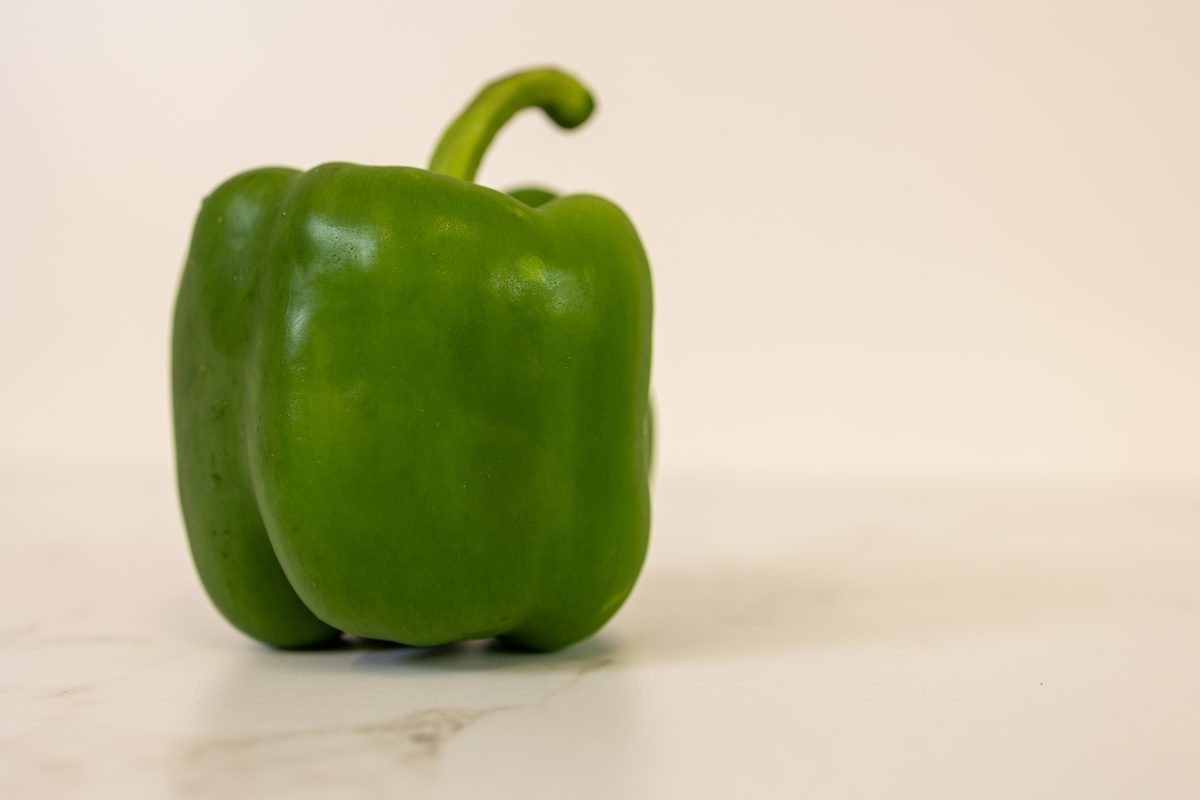
Mad Hatter is a crown-shaped or bishop's hat form pepper with fruit around 2 1/4". Ready from roughly day 85. Germination takes 14-21 days. Space 18-24 inches apart. Full sun (6+ hours). This one is a hybrid: buy seed each season instead of saving it.
Sowing
Start indoors 8-10 weeks before last spring frost, ¼ inch deep; transplant outdoors after last frost when soil reaches 60-70°F
Cultivation
- Sun
- Full sun (6+ hours)
- Water
- Regular, consistent moisture—1-1.5 inches per week at soil level; inconsistent watering causes fruit cracking and blossom end rot
- Soil
- Well-draining loam enriched with compost or aged manure, slightly acidic to neutral (pH 6.0-7.0)
- Spacing
- 18-24 inches
- Height
- 1 ft. 0 in. - 3 ft. 8 in.
- Season
- Warm season annual
Appearance & flavour
- Colour
- Red at full maturity (green when harvested early)
- Size
- 2 1/4"
- Shape
- Crown-shaped or bishop's hat form
- Flavour
- Moderately sweet with distinctive floral and citrus notes; subtle heat concentrated near the seed cavity
In the kitchen
Fresh eating, roasting, salads, gourmet garnishes, dried as paprika-like seasoning
Pests, disease & resistance
- Pests
- Spider mites, aphids, flea beetles, thrips
- Diseases
- Blossom end rot (calcium deficiency from inconsistent watering), phytophthora blight, pepper weevil
Planting calendar by USDA zone
| Zone | Start indoors | Transplant | Direct sow | Harvest |
|---|---|---|---|---|
| 2 | April – May | June – July | — | September |
| 3 | April | June – July | — | September – October |
| 4 | March – April | June | — | September – October |
| 5 | March | May – June | — | August – October |
| 6 | March | May – June | — | August – October |
| 7 | February – March | April – May | — | July – September |
| 8 | February | April – May | — | July – September |
| 9 | January | March – April | — | June – August |
| 10 | January | February – March | — | May – July |
| 11 | January | January – February | — | April – June |
| 12 | January | January – February | — | April – June |
| 13 | January | January – February | — | April – June |
Companion planting
8 beneficial pairings indexed for this variety, 4 to avoid.
Avoid
Nutrition (per 100 g)
- Calories (per 100 g)
- 27
- Protein (g)
- 1.66
- Fat (g)
- 0.45
- Carbohydrate (g)
- 5.35
- Fibre (g)
- 3.4
- Sugars (g)
- 1.95
- Vitamin A (µg)
- 17
- Vitamin C (mg)
- 82.7
- Vitamin E (mg)
- 0.69
- Vitamin K (µg)
- 9.5
- Vitamin B6 (mg)
- 0.357
- Folate (µg)
- 29
- Calcium (mg)
- 14
- Iron (mg)
- 0.46
- Magnesium (mg)
- 17
- Phosphorus (mg)
- 32
- Potassium (mg)
- 256
- Zinc (mg)
- 0.25
- Selenium (µg)
- 0.3
Where to buy seed and equipment
Some links are affiliate links. If you buy through them we may earn a commission at no extra cost to you.
Cultivar facts compiled from public horticultural references including USDA GRIN and NC State Extension. Descriptions are original to this catalogue.
Grown Mad Hatter?
Post a crop report — day counts, reservoir readings, what worked. Variety-specific logs are the most useful thing on the forum.
Similar varieties
Other peppers with a comparable time to harvest, so a season that suits Mad Hatter suits these too.
- Aji Dulce 'Venezuelan Sweet' 85 days
- Habanero 'Zavory' 85 days
- Poblano 'Mulato' 80 days
- Hot Pepper 'NuMex Big Jim' 80 days
- Hot Pepper 'Aji Amarillo' 90 days
- New Mexico Hatch Chile 'Sandia' 80 days