Red Express Cos
Red Express Cos is a hybrid lettuce variety (Lactuca sativa var. longifolia 'Red Express Cos'). Harvest begins around day 48-55; seed germinates in 6-10 days. Set plants 6-8 inches apart. Grow in soil pH 6.0-7.0, zones 2-11, full sun to partial shade (4-6+ hours). Plants reach 6-12 inches. It will crop in a container. Hybrid seed does not come true, so it has to be bought fresh each season rather than saved.
Sowing
Direct seed in early spring or fall. Can start indoors 3-4 weeks before transplanting. Best color development in cool weather.
Cultivation
- Sun
- Full sun to partial shade (4-6+ hours)
- Water
- 1 inch per week, even moisture
- Soil
- Well-drained, fertile soil amended with compost
- Soil pH
- 6.0-7.0
- Spacing
- 6-8 inches
- Height
- 6-12 inches
- Season
- Cool season
Appearance & flavour
- Colour
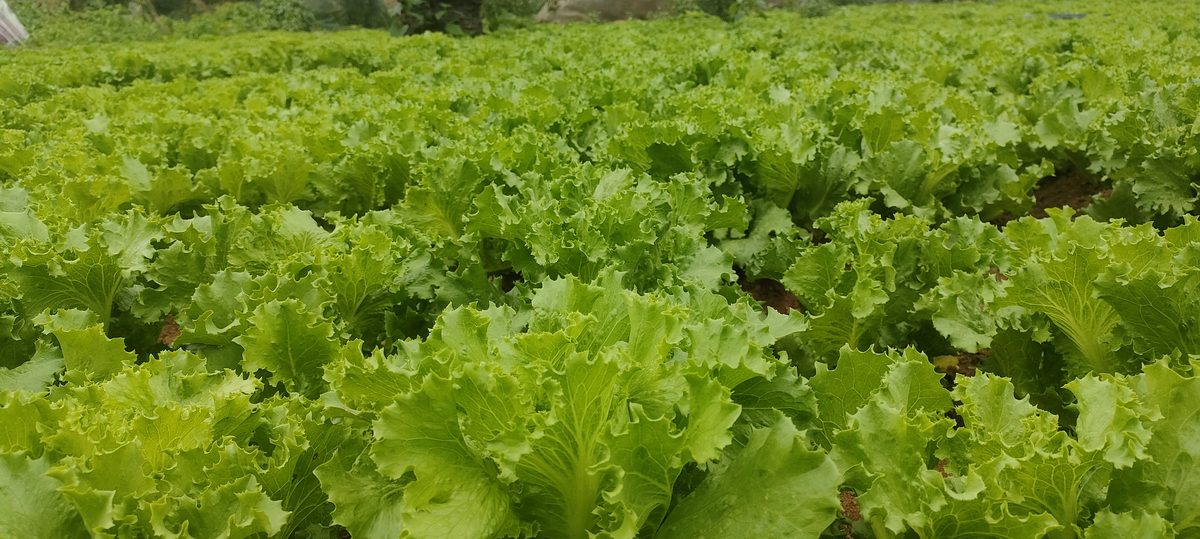
- Green leaves with red edges and red tinges, intensifying in cool weather
- Size
- 8-10 inches tall, 5-7 inches wide
- Shape
- Upright mini romaine heads with elongated leaves
- Flavour
- Crisp, sweet, and mild with tender texture
In the kitchen
Baby romaine salads, grilling, Caesar salads, garnish, whole leaf wraps
Pests, disease & resistance
- Pests
- Aphids, flea beetles, cutworms, slugs
- Diseases
- Downy mildew, lettuce mosaic virus, bacterial leaf spot
- Resistance
- Good bolt resistance and tip burn tolerance
Planting calendar by USDA zone
| Zone | Start indoors | Transplant | Direct sow | Harvest |
|---|---|---|---|---|
| 1 | — | — | June – July | July – September |
| 2 | — | — | May – July | July – September |
| 3 | — | — | May – June | June – October |
| 4 | — | — | April – June | June – October |
| 5 | — | — | April – May | June – November |
| 6 | — | — | April – May | May – November |
| 7 | — | — | March – May | May – November |
| 8 | — | — | March – April | April – December |
| 9 | — | — | February – March | March – December |
| 10 | — | — | January – March | March – December |
| 11 | — | — | January – February | February – December |
| 12 | — | — | January – February | February – December |
| 13 | — | — | January – February | February – December |
Companion planting
8 beneficial pairings indexed for this variety, 3 to avoid.
Avoid
Nutrition (per 100 g)
- Protein (g)
- 0.742
- Fat (g)
- 0.0738
- Carbohydrate (g)
- 3.37
- Vitamin K (µg)
- 20.5
- Vitamin B6 (mg)
- 0.0401
- Calcium (mg)
- 14.2
- Iron (mg)
- 0.0332
- Magnesium (mg)
- 6.31
- Phosphorus (mg)
- 19.2
- Potassium (mg)
- 139
- Zinc (mg)
- 0.173
Where to buy seed and equipment
Some links are affiliate links. If you buy through them we may earn a commission at no extra cost to you.
Cultivar facts compiled from public horticultural references including USDA GRIN and NC State Extension. Descriptions are original to this catalogue.
Grown Red Express Cos?
Post a crop report — day counts, reservoir readings, what worked. Variety-specific logs are the most useful thing on the forum.