Buttercrunch
Buttercrunch: 55-65 days to harvest, 7-14 days to germinate, 8-10 inches between plants, pH 6.2-6.8, hardy in zones 2-11. Fruit runs to about 6". Give it full sun to partial shade (4-6+ hours) and 1-1.5 inches per week, consistent moisture water. It will crop in a container.
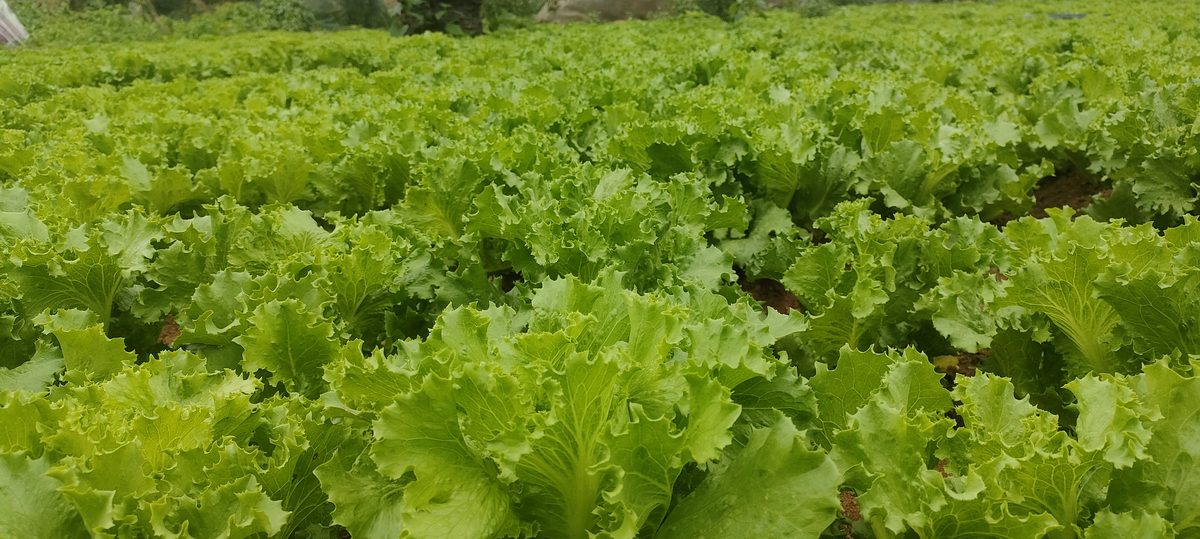
Sowing
Start indoors 4-6 weeks before last frost or direct sow in early spring. Plant seeds 1/4 inch deep in cool, moist soil.
Cultivation
- Sun
- Full sun to partial shade (4-6+ hours)
- Water
- 1-1.5 inches per week, consistent moisture
- Soil
- Rich, well-drained soil with high organic content
- Soil pH
- 6.2-6.8
- Spacing
- 8-10 inches
- Height
- 6-12 inches
- Season
- Warm season annual
Appearance & flavour
- Colour
- Dark green outer leaves with pale yellow-green hearts
- Size
- 6"
- Shape
- Compact butterhead with loose rosette formation
- Flavour
- Sweet, buttery, and crisp with a delicate, nutty finish
In the kitchen
Gourmet salads, lettuce cups, sandwiches, garnish. Perfect for fine dining presentations.
Pests, disease & resistance
- Pests
- Aphids, leafminers, slugs, flea beetles
- Diseases
- Downy mildew, bottom rot, tipburn, bolting in heat
- Resistance
- Good resistance to tipburn and moderate bolt resistance
Planting calendar by USDA zone
| Zone | Start indoors | Transplant | Direct sow | Harvest |
|---|---|---|---|---|
| 1 | — | — | June – July | August – September |
| 2 | — | — | May – July | July – September |
| 3 | — | — | May – June | July – October |
| 4 | — | — | April – June | June – October |
| 5 | — | — | April – May | June – November |
| 6 | — | — | April – May | June – November |
| 7 | — | — | March – May | May – November |
| 8 | — | — | March – April | May – December |
| 9 | — | — | February – March | April – December |
| 10 | — | — | January – March | March – December |
| 11 | — | — | January – February | February – December |
| 12 | — | — | January – February | February – December |
| 13 | — | — | January – February | February – December |
Companion planting
8 beneficial pairings indexed for this variety, 3 to avoid.
Avoid
Nutrition (per 100 g)
- Protein (g)
- 0.742
- Fat (g)
- 0.0738
- Carbohydrate (g)
- 3.37
- Vitamin K (µg)
- 20.5
- Vitamin B6 (mg)
- 0.0401
- Calcium (mg)
- 14.2
- Iron (mg)
- 0.0332
- Magnesium (mg)
- 6.31
- Phosphorus (mg)
- 19.2
- Potassium (mg)
- 139
- Zinc (mg)
- 0.173
Where to buy seed and equipment
Some links are affiliate links. If you buy through them we may earn a commission at no extra cost to you.
Cultivar facts compiled from public horticultural references including USDA GRIN and NC State Extension. Descriptions are original to this catalogue.
Grown Buttercrunch?
Post a crop report — day counts, reservoir readings, what worked. Variety-specific logs are the most useful thing on the forum.
Similar varieties
Other lettuce with a comparable time to harvest, so a season that suits Buttercrunch suits these too.
- Perseo 55 days
- Freckles 55 days
- Butterhead Boston 55 days
- Salanova Green Crispy 55 days
- New Red Fire 55 days
- Cimmaron Romaine 55 days