Australian Yellow Leaf
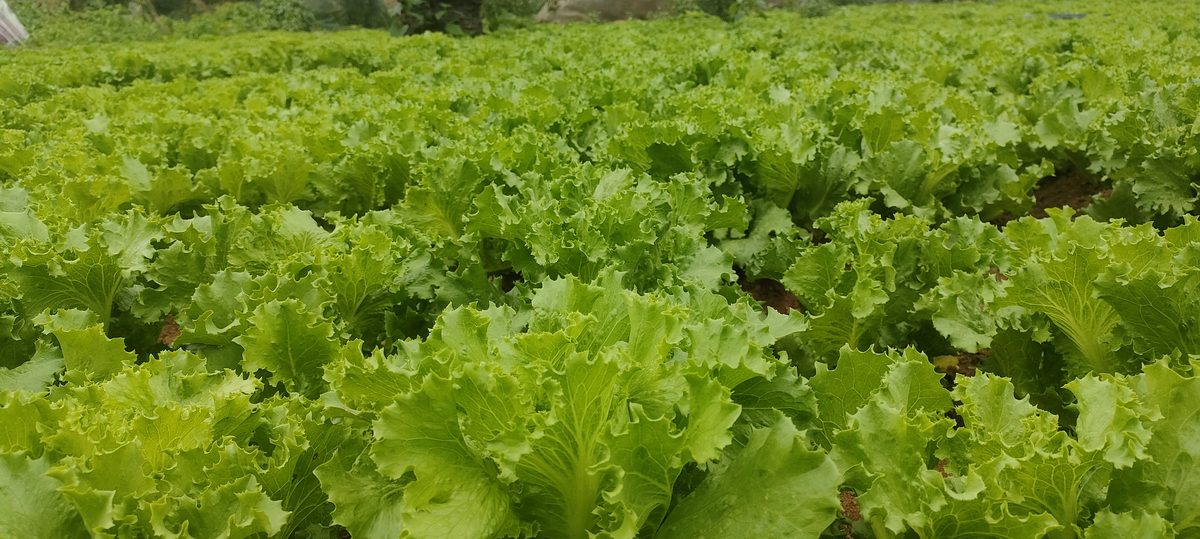
Australian Yellow Leaf is a heirloom lettuce. Germination takes 7-12 days and fruit ripens from about day 50-60. Skin runs to distinctive golden-yellow to chartreuse. Water need is 1 inch per week, consistent moisture. Suits zones 2-11. It will crop in a container.
Sowing
Direct seed in early spring or late summer. Can start indoors 4-6 weeks before transplanting. Succession plant for continuous harvest.
Cultivation
- Sun
- Full sun to partial shade (4-6+ hours)
- Water
- 1 inch per week, consistent moisture
- Soil
- Rich, well-drained soil with good organic matter
- Soil pH
- 6.0-7.0
- Spacing
- 10-12 inches
- Height
- 6-12 inches
- Season
- Cool season with good heat tolerance
Appearance & flavour
- Colour
- Distinctive golden-yellow to chartreuse
- Size
- Individual leaves 4-6 inches, plant spread 10-12 inches
- Shape
- Loose-leaf with broad, slightly savoyed leaves
- Flavour
- Mild, sweet, and tender with delicate texture
In the kitchen
Specialty salads, garnish, farmers market sales, unique color contrasts
Pests, disease & resistance
- Pests
- Aphids, slugs, flea beetles
- Diseases
- Downy mildew, lettuce mosaic virus
- Resistance
- Good heat tolerance, moderate disease resistance
Planting calendar by USDA zone
| Zone | Start indoors | Transplant | Direct sow | Harvest |
|---|---|---|---|---|
| 1 | — | — | June – July | July – September |
| 2 | — | — | May – July | July – September |
| 3 | — | — | May – June | June – October |
| 4 | — | — | April – June | June – October |
| 5 | — | — | April – May | June – November |
| 6 | — | — | April – May | May – November |
| 7 | — | — | March – May | May – November |
| 8 | — | — | March – April | April – December |
| 9 | — | — | February – March | March – December |
| 10 | — | — | January – March | March – December |
| 11 | — | — | January – February | February – December |
| 12 | — | — | January – February | February – December |
| 13 | — | — | January – February | February – December |
Companion planting
8 beneficial pairings indexed for this variety, 3 to avoid.
Avoid
Nutrition (per 100 g)
- Protein (g)
- 0.742
- Fat (g)
- 0.0738
- Carbohydrate (g)
- 3.37
- Vitamin K (µg)
- 20.5
- Vitamin B6 (mg)
- 0.0401
- Calcium (mg)
- 14.2
- Iron (mg)
- 0.0332
- Magnesium (mg)
- 6.31
- Phosphorus (mg)
- 19.2
- Potassium (mg)
- 139
- Zinc (mg)
- 0.173
Where to buy seed and equipment
Some links are affiliate links. If you buy through them we may earn a commission at no extra cost to you.
Cultivar facts compiled from public horticultural references including USDA GRIN and NC State Extension. Descriptions are original to this catalogue.
Grown Australian Yellow Leaf?
Post a crop report — day counts, reservoir readings, what worked. Variety-specific logs are the most useful thing on the forum.
Similar varieties
Other lettuce with a comparable time to harvest, so a season that suits Australian Yellow Leaf suits these too.
- Giorgione 50 days
- Mascara 50 days
- Joi Choi 50 days
- Concept 50 days
- Upland Cress 50 days
- Red Malabar Spinach 50 days