Upland Cress
Upland Cress: 50 days to harvest, 7-10 days to germinate, 6-8 inches between plants, hardy in zones 1-11. Fruit runs to about 6-8". Give it part sun and consistent; approximately 1 inch per week water.
Sowing
Direct sow outdoors 2-4 weeks before last frost (spring) or 8 weeks before first frost (fall), pressing seeds lightly to soil surface; or start indoors 4-6 weeks before transplant time
Cultivation
- Sun
- Part sun
- Water
- Consistent; approximately 1 inch per week
- Soil
- Well-draining loam enriched with organic matter, moderate fertility
- Spacing
- 6-8 inches
- Height
- 6-8 inches
- Season
- Warm season annual
Appearance & flavour
- Colour
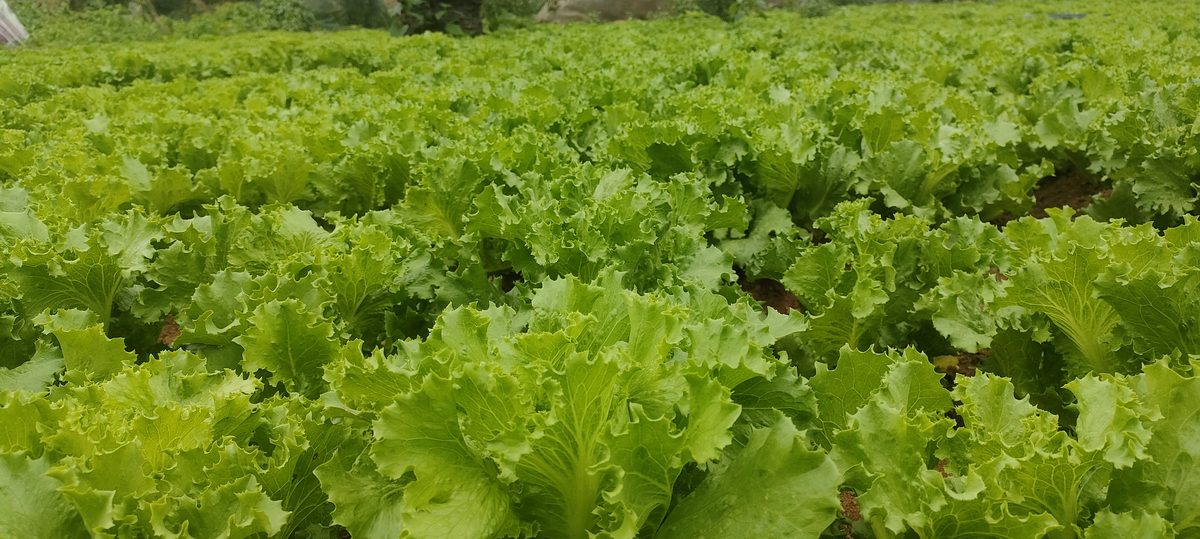
- Dark green
- Size
- 6-8"
- Shape
- Rounded leaves in rosette form
- Flavour
- Peppery, slightly bitter, mineral-forward; milder than watercress, with tender young leaves and more pronounced spice in mature growth
In the kitchen
Raw in salads, cooked like spinach, soups, sandwiches, fermented condiment
Pests, disease & resistance
- Pests
- Cabbage moths, flea beetles, slugs
- Diseases
- Downy mildew, damping off (seedlings in waterlogged conditions)
Planting calendar by USDA zone
| Zone | Start indoors | Transplant | Direct sow | Harvest |
|---|---|---|---|---|
| 1 | — | — | June – July | July – September |
| 2 | — | — | May – July | July – September |
| 3 | — | — | May – June | June – October |
| 4 | — | — | April – June | June – October |
| 5 | — | — | April – May | June – November |
| 6 | — | — | April – May | May – November |
| 7 | — | — | March – May | May – November |
| 8 | — | — | March – April | April – December |
| 9 | — | — | February – March | March – December |
| 10 | — | — | January – March | March – December |
| 11 | — | — | January – February | February – December |
| 12 | — | — | January – February | February – December |
| 13 | — | — | January – February | February – December |
Companion planting
8 beneficial pairings indexed for this variety, 3 to avoid.
Avoid
Nutrition (per 100 g)
- Protein (g)
- 0.742
- Fat (g)
- 0.0738
- Carbohydrate (g)
- 3.37
- Vitamin K (µg)
- 20.5
- Vitamin B6 (mg)
- 0.0401
- Calcium (mg)
- 14.2
- Iron (mg)
- 0.0332
- Magnesium (mg)
- 6.31
- Phosphorus (mg)
- 19.2
- Potassium (mg)
- 139
- Zinc (mg)
- 0.173
Where to buy seed and equipment
Some links are affiliate links. If you buy through them we may earn a commission at no extra cost to you.
Cultivar facts compiled from public horticultural references including USDA GRIN and NC State Extension. Descriptions are original to this catalogue.
Grown Upland Cress?
Post a crop report — day counts, reservoir readings, what worked. Variety-specific logs are the most useful thing on the forum.
Similar varieties
Other lettuce with a comparable time to harvest, so a season that suits Upland Cress suits these too.
- Mâche (Corn Salad) 50 days
- Red Salad Bowl 50 days
- Mascara 50 days
- Red Veined Sorrel 50 days
- Red Malabar Spinach 50 days
- Red Leaf Lettuce 50 days